Home Blog Page 13

Choose Your Own Fake News: This Game Aims to Fight The Spread of Misinformation in Africa

0

In 2017, Neema Iyer founded Policy a technology consulting and development firm to support the innovation of government service delivery across Africa.

Policy believes in the power of data to revolutionize how governments deliver services to their citizens. The ultimate goal of Policy is to digitally transform government services across Africa through an information-centric approach and craft better life experiences by harnessing improved data.

It is because of goals as such that the team at Policy embarked on combating the spread of fake news in Africa arguing that the spread of fake news, like a wildfire, has the potential to disrupt economies or even cause avoidable chaos.

Through a partnership with the Mozilla Foundation, Policy has designed a web-based game dubbed “Choose Your Own Fake News,” which is aimed at tackling the spread of misinformation in East Africa, and Africa at large.

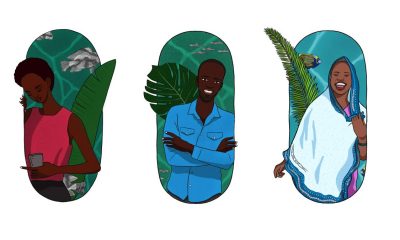
The game uses 3 real-life examples of characters to help the player explore different scenarios that portray how misinformation can have real-life effects.

Speaking to Neema Iyer, the team leader and founder of Policy, we got an insight as to what the game aims at achieving. According to Neema, the game doesn’t serve as an avenue to directly combat misinformation but rather looks to help the player to think about the actions to take when they come across fake news.

Neema Iyer, team leader and founder of Policy “It took us 6 months to complete the project. The game aims at giving a player a chance to think about the actions they would take in a bid to combat fake news,” she said.

“The whole point of the game is to scrutinize the information and news that you have. It’s just like role-playing out what you would do in a situation where you have information,” Neema added.

Choose Your Own Fake News” has three characters — Flora, a student who lives in Uganda, Jo, a shopkeeper in Kenya, and Aida, a retired grandmother in her 60s.

Players are expected to get into the life of whichever character they choose and look through videos and news headlines that have to do with job opportunities, vaccines, and election violence, the 3 major scenarios that the game has.

Flora is expected to make decisions around a job interview based on a sketchy Instagram post — whether to do more research on the company before scheduling an interview or go ahead without digging deeper and fall victim to an internet scam.

Last year, Mozilla had an open call for the Creative Media Awards, and Neema grabbed the opportunity, applying for “Choose Your Own Fake News”, and it was accepted.

Through the Mozilla Creative Awards or CMAs, Mozilla selects and invests in people and organizations, like Policy, which creates solutions centered around making the internet more inclusive and secure. Last year’s theme for the CMAs was specific to how artificial intelligence or AI plays a role in the spread of misinformation.

Policy’s “Choose Your Own Fake News”, among many other projects, got $25,000 to execute, and the result, after months of brainstorming, and designing, is the web-based game.

Iyer, who drew the sketches for the characters in the game, said it was important to make them black because “Choose Your Own Fake News” is specific to Africans, she also added that as a technologist and artist, she prides herself in making her sketches black, as the race is often left out in many scenarios across the globe.

According to Neema, the game is not a full-proof safe case underlying that it can single-handedly tackle misinformation and fake news, however, it is a conversation starter in the direction of combating fake news in Africa.


Uganda Claims 6th Position Among Top African Destinations for International Conferences

0

Uganda has climbed from the 10th position (as per 2018 rankings) to the sixth as one of the most popular destinations in Africa for hosting international conferences and events in 2019.

The rankings were released by the International Congress and Convention Association (ICCA).

The rankings are based on the number of association meetings taking place regularly, rotating between at least three different countries and with 50 participants.

ICCA represents the world’s leading association for the global meetings, conference and events industry.

According to the Uganda Tourism Board CEO, Lilly Ajarova, Uganda hosted 22 association meetings including the 64th Commonwealth Parliamentarians Conference, 8th African Population Conference, Africa Now Summit, 4th African Judicial Dialogue and the 2nd Congress of the AfricanPrimatological Conference, in 2019.

“In 2020, Uganda had organized and was scheduled to host a number of notable conferences such as the G77 summit, Africa Climate week, World Health Summit, CBR World Congress and the AfrAA Conference, among others.

All the events were rescheduled due to the COVID-19 pandemic that has sent the whole world into a frenzy.

GLIM! This Website is Celebrating, Motivating, Uplifting, And Empowering Women to be The Best Version of Themselves

0

Born on February 19, 2018, GLIM has come to be one of the most celebrated websites in regards to empowering women, and giving women a platform to tell their stories, and inspire each other. GLIM is a platform that celebrates women and lets them pride in who they are, as it motivates, inspires and uplifts.

Glim is meant to collectively build a positive community that celebrates women, their achievements, inspire each other and build confidence in themselves to be the best versions of the people they aspire to be, while enjoying life of course.

Women make up more than half of the world’s population. At Glim, the team believes that it is important to empower the woman, take a front seat in purposefully contributing to the world.

It’s no secret that Africa is still lagging behind in terms of women empowerment, mainly because Culture has stripped women of their inherent power, leaving them feeling unworthy, uninspired and restricting them to mere marital duties.

GLIM is also a media platform that wants to inspire and open women to the realization of their full potential and power, and the great role they can play in the development of the continent.

To this effect, they curate content that celebrates and hypes women’s accomplishments in different fields, and empowers them financially with a goal of making their content informative and fun, as they give value to their readers.

The Mission of GLIM is to empower the African Woman, while their Vision is to be the number one go to digital media platform for purposeful women related content.

Show them some love by following their social media platforms;

Facebook – https://web.facebook.com/glimug/

Instagram – @glim_ug

Twitter – @Glim_ug

Website – https://glimug.com/

Christmas in Uganda – Let the Feasting Begin!

0
Christmas Expenditure

Ugandan Christmas – What is it like? You might be in Uganda for work, for vacation, in transit … and suddenly Christmas is here!

… And what better place to be, to celebrate Christmas in Uganda? Welcome to the land of feasting and merry making . Ugandan Christmas is filled with love and sharing with family and friends – I guess as it is the world over … but this in many ways is with our own Christmas traditions and style.

Feasting mighty be universal – but we are not talking ‘preparing turkeys’ here, it’s everything. Yes!, everything!

But first; the mood that comes with it. It’s about the birth of JESUS CHRIST – The saviour of mankind! Don’t forget that Ugandans are very God fearing people. Christmas is not simply about the feasting … but they draw the meaning of Christ’s birth and religiously have a special attachment and understanding of the day.

That said, I have been to countries in Europe were the mood turns Christmassy – If you like, as early as late October – Now, that might not be the case here … but the world is fast catching up with us. I have also been around the streets of Kampala in November and there is a feeling of ‘Christmas-is-round-the-corner‘.

Fast forward into December and it’s Christmas season in Uganda. You start to see the Christmas trees, the lighting and decorations and you hear Christmas tunes playing on FM stations and everywhere (some you can quickly pick out like ‘jingle bells’). What is interesting, you see shopping malls filled with all kinds of merchandise – majority of which is made in China of course, at discounted prices.

And what about this Santa Claus guy? Sure, he has finally found his way into Uganda (put it to the last 10/15 years). It’s not a proper in house thing yet – perhaps in the cities and towns. A few can now relate to the Santa mystery – more with the elite, the educated and town dwellers.

Not many can and will afford a gift for each family member for Christmas and still have enough left for the big feast. The size of our families will certainly not allow; they are much extended with such extensions that will include relations and friends at times. But if you are lucky to receive a Christmas gift, it will perhaps be the attachment and thought that that person has for you that matters, with Santa out of mind.

You will love the bargains though – I certainly do. The beauty is that you will surely find something for the kids; the toys, the sweets, the little pretty shoes and lovely dresses … The shops will invitingly welcome you to find a gift – if only the Chinese would make the collection a little more durable to last beyond boxing day!

A week before the 25th, Christmas in Uganda is in ‘full-swing’ as the Ugandans will say. Majority are running around like headless chickens trying to do that last minute shopping – further discounts and offers make it even worse, there is just a lot to pick up for a few shillings.

That reminds me of Public Holidays in Uganda – lest I forget to mention. And I will make particular reference to the Christmas period (You are looking at say 20th Dec, all the way through new-years day, to a week after). If you have got work related deadlines to beat, best is to avoid this period. Sections of society here go into sleep mode and I will tell you why shortly …

Like I said, Christmas in Uganda is about feasting and sharing with family. A lot of people will prefer to travel to their ancestral homes to join the rest of the ‘extended’ family (which family they will have possibly not seen in a very long time). ‘I am travelling up-country for Christmas‘, they will say.

This requires some preparation and the travelling could be a few hundred miles away. The transport fares tend to go up towards Christmas and with all the shopping and luggage to take with them, one would rather travel as early as 20th Dec than leave it late.

You will therefore get to some public offices and find little or no service at all because ‘the man with the key has gone for Christmas‘ – which can be frustrating!

On with Christmas, once everybody has arrived and settled in, celebrations will start as early as 23rd Dec. In rural Uganda, the 23rd and 24th will be the butcher days. There will be a lot of beef and in some places – pork, lots of chicken and other animals slaughtered for the celebrations as the ladies of the house get on with the preparation of the big meal.

It’s interesting to see how much time the women put in – it takes them quite a few days to put together their recipes. Trust me, the end result is well worth it! Christmas is the time to taste Mama’s food if you’ve not in a long time!

Most of the feasting kicks off on the 24th of December – perhaps with a bit on the hand-brake, saving the best for the D-day. The ladies are in the back ground putting the final touches to their well-thought-through recipes. There is a relaxed-mood feeling in the air.

Kampala will be close to empty; no traffic, with a few people walking around (possibly the custodians of the city).

Come the 25th of December – Christmas day, first things first; Majority of Ugandan families will attend church in the morning (which is usually a long church service that will test one’s patience) … and then soon after, ‘hell breaks loose‘! The waiting is over – It’s such a great atmosphere to be part of; the big meal that has been prepared with precision strikes your palate with approval.

Lots to drink, dancing, catching up with family, lots of stories to tell, laughter and eating again and again and … going on through to the 26th December – Boxing day.

Quite often, there will be a slight break and then the celebrations will resume on the 31st of December to see off the year and usher in the new one on 1st Of January.

… A few days to a week later, the town dwellers will start to return to their stations reflecting on a well spent Christmas holiday.

If you are lucky to visit Uganda over the Christmas holiday, join in and share the fun. And if you are invited by a Ugandan family, gladly accept the invite and experience a memorable Christmas in Uganda that will live with you forever.

You will love it!

Best 5 Ugandan Trade Shows Not to Miss

0
Trade Show

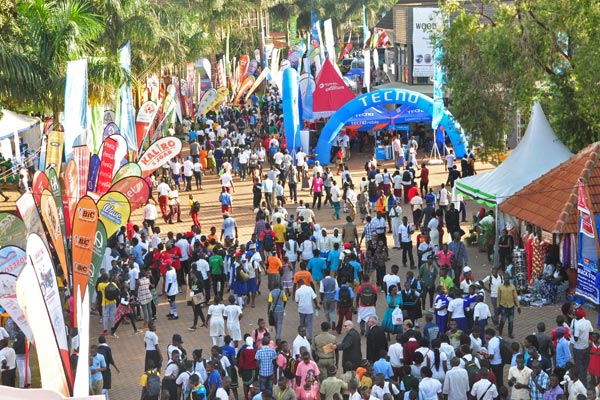
Ugandan trade shows are a great way to promote and grow your business. You can quickly get involved by participating in or attending one locally to get the feel of it. Be it services or a products, trade shows in Uganda cover a wide range.

If you are in the initial stages of establishing your Ugandan business and have a product that needs exposure, want to increase your sales and expand your market or you want to introduce something new to the market, trade shows can be the way to go. They will extensively introduce and present your company to a wide range of potential clients, encouraging them to use your product or service.

Your business will also from time to time be presented with other low key exhibition opportunities as one-offs away from the big trade fairs. Such exhibitions in Uganda may be specifically targeting your area of service or product – an opportunity for you to showcase your product or service in detail. These can be good to test the reception of your product or service at its inception in the market.

Leading Ugandan trade shows;

There are two leading and most popular Ugandan trade shows with one comprehensively showcasing an agricultural theme while the other is extensively for all businesses and services.

Uganda International Trade Fair (UMA)

Organised by the Uganda Manufacturers Association (UMA) in Kampala, The UITF – Uganda International Trade Fair is the most popular and increasingly becoming one of the most sort after in the sub-Saharan region by investors who want to showcase their products/ service to capture the vibrant Ugandan market.

It is a reputable multi-sectoral trade fair that has been running for close to 20 years with a unique opportunity to market products and services.

Participants cut across the entire business sector and come from as far as Asia, Europe and the US. It is an annual event held every October round about Independence Day (9th October) and is one of the heights to mark the independence celebrations.

The Source of the Nile Agricultural and Trade Show

The other popular Ugandan trade shows is The Source of the Nile Agricultural & Trade show. It showcases mainly agricultural products and services but also has all other businesses and services that wish to exhibit along side the farmers. It is organised by the Uganda National Farmers’ Federation (UNFFE) at the Show grounds in Jinja.

Started in 1993, this annual event is held every July. It’s a platform for improved technologies, innovations and production in the agricultural sector – a true incentive for the farmers and other businesses related to agriculture to capture their targeted market.

And just to give you an idea, those two Ugandan trade shows should introduce you to the national and international opportunities that Ugandan business offers…

There are other trade shows and exhibitions of a smaller magnitude;

The vibrancy of the Real Estate industry in Uganda makes the International Exhibition and Trade Show for Building and Construction Industries in East Africa a must attend particularly if your business or service is in this sector.

It is a biannual event held in one of the East African Countries. And Uganda being part of the East African Community, the likelihood is that one of the editions is held there. Uganda was host to the 2012 Edition.

It showcases the latest modern technology in building and construction with participants coming from all over the world.

This is yet another opportunity to introduce your business or service to the wider Ugandan market.

WRTF – The Western Region Trade Fair and ERTF – The Eastern Region Trade Fair are biannual regional events held in the western and eastern regions of Uganda respectively. We could say; they are mini versions of the UITF whose showcase is also multi-sectoral providing a platform for foods and beverages, packaging, printing and stationary, industrial and manufacturing, construction, fashion and clothing, tourism and a lot more….

Both are also organized by Uganda Manufacturers Association (UMA) and participation cuts across all sectors including; overseas investors and manufacturers, promoters of both the indigenous and foreign technologies and the wider business community.

You will quickly realize that the trade fairs in Uganda give you such an opening, no matter if you have been in your industry for decades or just at beginners level. You will meet others in your field and most of all, market your innovative ideas and find new customers.

Look out for other smaller exhibitions in Uganda throughout the year – these could particularly target your field of product or service and this is where you are most likely to meet the other players in the same field – your competitors, to compare notes and see what else is out on the market.

Ugandan trade shows are ideal for business promos, and have for long been used by corporation and small enterprises alike. Take advantage of every way to increase your profits.

5 Ways to Evade Sleep When Self Driving in Uganda

0
Self Drive Safari

It’s on record that Uganda self-drive safaris are full of baskets of adventure experiences, this is due to the fact that you become the manager on your own with that perfect car hire of your choice/ dream. If planning to hire a car on self-drive, planning for your safari remains in your hands. Booking a self-drive vehicle and explore Uganda at your own pace will give you a memorable experience unlike the guided safaris that come with mixed travel interests.

The moment you think of hiring a car on self-drive car make sure you plan and make an early booking, contact your car rental service and they reserve the car for you before it’s hired to another person. The car rental agency is looking at hiring a car to any person who is above 18years and must have adequate driving skills with some ideas about Ugandan roads.

Most of the roads especially in the rural areas are in terrible conditions so a 4×4 vehicle is highly recommendable. Driving in the pearl of Africa is a perfect way to explore Africa to the fullest. Hiring self-drive car have become the most sought after travel experience, since it gives one ample time to discover the secretes on his/her own. Once on self-drive, you are expected to have enough sleep prior embarking on your road trip. It’s always advisable that once you hit the road, you must be fit and stable to navigate well, in case you have driven a long distance and you feel a sleep make sure you park a side and take some minutes to rest and then you proceed later, it’s a crime to park somewhere and have a rest, however due to very many bump roads, will keep you awake especially in potholes.

In order to have the most enjoyable and memorable road trip experience on your self-drive the following must be put under your consideration.

Avoid driving when tired
always consider safety first in whatever you do more specially in the strange nation when on a self-drive. When having the long drive in the following day, you are requested to have enough rest to begin the day when afresh, this will help you to avoid driving when very tired. When planning an independent safari, it’s always advisable to plan in advance where to sleep, places to visit at time this will help you to avoid over speeding for you to reach a particular destination. If it happens that you had a busy schedule the previous day, you can use the following day for relaxation and you will set off for your actual trip when you are very fine. Any one opting for a self-drive trip must be aware of long drives, it’s you to seat at the back and have everything done by you.

Avoid driving on pressure
this is a must avoid thing in order to avoid causing unnecessary accidents during your trip, driving on pressure is mostly a result of poor time management. Life is valuable! If you do not know how long you will spend on the road, you are advised you set off earlier to avoid night driving which is very risky. Late booking can also result into driving on pressure so Contact our reservation manager and gets your car booked for you on time and enjoy your drive safely as much as possible.

Use caffeinated products to keep you alert
we all know that when travelling alone and driving on the roads of Uganda sometimes you feel bored so with the assistance of caffeine it will keep you awake most especially during your road trip. Anytime you feel like dosing you can get a cup of your coffee and take, you will get fine immediately and then you proceed with your journey, this is a strong method for you to avoid getting asleep.

Always have breaks
for long drive safaris, it’s always advisable to have breaks or drive in turns, this will give you ample time to rest and start your drive a fresh. Most of Uganda’s tourist destinations are located in a far distance so driving without making stopovers, you may end up over tired and hence causing accidents. When on self-drive you become a controller and you are free to stop anywhere and have a break. Have a break of at least 2 to 3 hours for every 100 kilometers as one way for you to have enough time to rest and refresh the mind. You can decide to park the car alongside the road where it is safe and thereafter, catch a glimpse or can listen to a good song. After, you can proceed. However if you are two people and all of you know how to drive, you can exchange to relieve the other party also.

Have enough sleep before you start a drive
if you are to drive a long distance, you are required to have enough sleep before you hit the road. Prepare in advance and write your itinerary and get you’re starting, breaking and end point, this will give you ample time to know where you will have a break.  Always have enough sleep if you are to drive the next day. Once you hit the road and driven for long have a break and rest for at least 30-40 min or if the sleep persists you can take a caffeine it can also help you as mentioned already. Sleeping is natural and you can’t avoid, otherwise you can be stressing yourself if you persisted to rest on long distance drive.

In a nut shell self-drive safaris have become popular since many travelers prefer self-drive than chauffeur drive in Uganda.  Self-drive is more exciting but sometimes stressing more particularly for long distant journeys. If you are planning to travel to Uganda and on self-drive for long distances, you are advised to follow the above tips to avoid sleeping and also to have a wonderful drive, because any mess caused by you with a self-drive car you must think of touching your pockets.

Y+ Beauty Pageant: This Pageant Aims at Fighting Stigma And Discrimination of Young People Living With HIV

0

On 25th September, the Uganda Network of Young People Living with HIV/AIDS (UNYPA) launched the 7th edition of the Y+ beauty pageant under the theme “Changing The Narrative.

The new Mr. and Miss Y+ Central region 2020/21

The Y+ Beauty Pageant is a novel concept that was developed to celebrate beauty with zero stigma and zero discrimination together with having zero new infections and having zero AIDS related deaths. The entertainment calendar has several beauty pageants and, one of which is the Y+ Beauty Pageant that has been on for the last seven years.

The beauty pageant has, over the years, served as a platform to young men and women (16 to 25 years) living with HIV to become voices to the voiceless, pillars of boldness and strength to those still afraid of HIV testing, these young people also share testimonies of assurance that acquiring HIV is not the end of life. Which is not that easy.

Nicholas Niwagaba the team leader at UNYPA speaking at one of the Y+ Beauty Pageant pre-events

“Our mandate is to better the lives of young people living with HIV/AIDS (YPLHIV), and we boldly take it upon ourselves to ensure that we fight stigma through the Y+ Beauty Pageant. Over the years we have managed to position young people in the fight against stigma and in so doing, HIV,” said Nicholas Niwagaba, the team leader at UNYPA.

The COVID- 19 virus has worsened stigma towards people living with HIV/AIDS, the current pandemic threatens to reverse the accomplishments that have been made in the fight against HIV/AIDS in Uganda.

As soon as the first case of COVID-19 was identified in Uganda on 19th March 2020, strict lockdown measures were enforced, including a ban on all public and private transport, night curfew, closure of schools, suspension of religious and social gatherings, and closure of non-essential shops and markets.

UNYPA ambassadors were supported with transport as well as bicycles to conduct the door to door home visits for fellow YPLHIV, face to face conversations, SMS for psycho social support to ensure adherence and positive living among YPLHIV.

UNYPA therefore, organizes the 2020 Y+ beauty pageant for YPLHIV in order to re-echo their voices, co- create to build a strong, energetic, creative, and productive generation able to address the multiple dimensions in which stigma and discrimination affect young peoples through raising awareness and empowering Y+ Ambassadors both male & female as champions to challenge HIV related stigma, discrimination & gender based violence within their communities.

The Y-Plus pageant model in Uganda is now a nationally and international recognized and awarded model for a successful fight against HIV related stigma and discrimination, increasing awareness on HIV prevention but of more critical concern still largely remains unaddressed the problem of stigma and discrimination associated with HIV/AIDS and society’s attitude to it is still a big concern.

The contest doesn’t focus on looks or beauty, but on a young positive person being a role model for other young people with HIV, on being able to advocate for the needs of young people, and to increase acceptance and understanding of young people living with HIV in society.

Through its yearly cycle, the Y+ Beauty Pageant has so far bred over 844 ambassadors who are part of a generation of YPLHIV youth champions advocating for and working towards an HIV stigma-free Uganda. The campaign shall be staggered in three stages: regional auditions; central- Kampala, eastern- Kamuli, western- Kabale and northern- Kwania followed by the boot camp, and a grand finale event on Friday 20th November 2020.

About UNYPA

UNYPA is a youth led and youth serving organization coordinating meaningful engagement of young people living with and affected by HIV and AIDS in Uganda in the National, Regional and Global HIV/AIDS response.  With a membership of over 50,000 young people; UNYPA works to implement National Evidence-driven Advocacy programs that address HIV/AIDS related stigma and discriminations, Gender inequalities and promote Young People’s empowerment and universal access to integrated SRHR (SRHR) and HIV/AIDS information and services. UNYPA is driven by the needs of young people living with HIV and implements an evidence informed national programme and advocacy for YPLHIV to lead healthy and productive lives.

Go Golden Monkey Tracking in Uganda

0
Golden Monkeys in Uganda

When you visit Uganda for a gorilla safari, one of the things you should add to your list is golden monkey tracking, an adventure that can only be taken in Mgahinga Gorilla National Park in South Western Uganda. Golden Monkeys might not be very popular primates like the mountain gorillas, yet they are indubitably very elusive and convivial creatures worth the attention of visitors. These riveting creatures are unique and endemic to the Virunga Mountains of Central Africa. The Virunga Region spans Rwanda, Uganda, and the Democratic Republic of Congo and it is one of the richest biodiversity areas in the world.
The less known Mgahinga National Park is the exclusive national park where tourists can track these primates while in Uganda. There are about 3000 to 4000 of these individuals that live in the Virunga massif. Although there are only 42-60 habituated golden monkeys in Uganda’s Mgahinga National Park, tracking the golden monkeys is an adventure that you should not miss. Elsewhere these monkeys can only be seen in the Volcanoes National Park of Rwanda. The bamboo forests of Mgahinga National Park provide the most treasured habitat for these endangered primate species.

Much as Golden Monkey tracking is not as popular as mountain gorilla trekking, it is all the same exciting adventure that you can experience on the African continent. These photogenic creatures are always arboreal! They have been habituated for tourist visits and therefore not timid to see human beings in their territory. Meeting these playful primates will always captivate the tourists who hike to the high peaks of the park to see these fascinating animals in their natural habitat.

What are Golden monkeys?

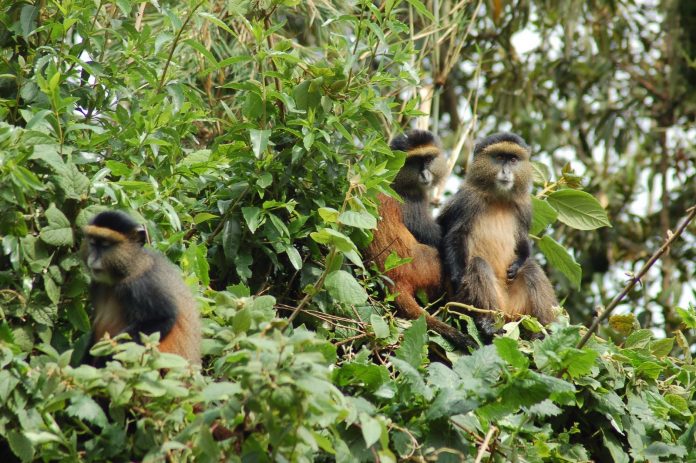
Golden monkeys fall in the class of ancient monkeys! These primates are known for the noticeable golden furs that cover their bodies, thus they are referred to as “Golden Monkeys”. They are a sub-species of the Blue Monkeys and inhabit the lower slopes of the Virunga Mountains that are dominated by the bamboo forest.

Golden monkeys do not swerve off too high up the mountains like the mountain gorillas, but instead, spend much of their time in the bamboo closer to the base of the mountains. They move in hundreds, occupying the bamboo canopy picking the shoot from the tops, and interestingly also going down to the ground.

These fascinating animals live in groups comprising of 30 to 80 members, normally headed by one adult male. In most animal families, it is the male to defend the territory. This is contrary to these primates where it is the female to defend the territory while the males stay in the group for some time and eventually leave to another group.

They consume 20-30 species of plants but mainly bamboo shoots, though sometimes they partake of fruits, leaves, and some invertebrates.

Golden Monkey Tracking in Mgahinga National Park

There is one habituated golden monkey group in Mgahinga National Park, which is available for research purposes and visits by tourists. To see these golden creatures, you must possess a permit that is issued by the Uganda Wildlife Authority. These permits cost USD 50 per person but you have also to pay for a park entrance permit of USD 40 per person. Therefore the total cost is USD 90 for a single trek into the national park.

Golden Monkey Tracking Permits can be booked at the Uganda Wildlife Authority offices in Kampala or at the park headquarters in Kisoro Town.

Elsewhere, you can only see the golden monkeys in the neighboring Volcanoes National Park.

Complete Guide to Gorilla Trekking in Africa

0
Ecofriendly Gorilla Trekking

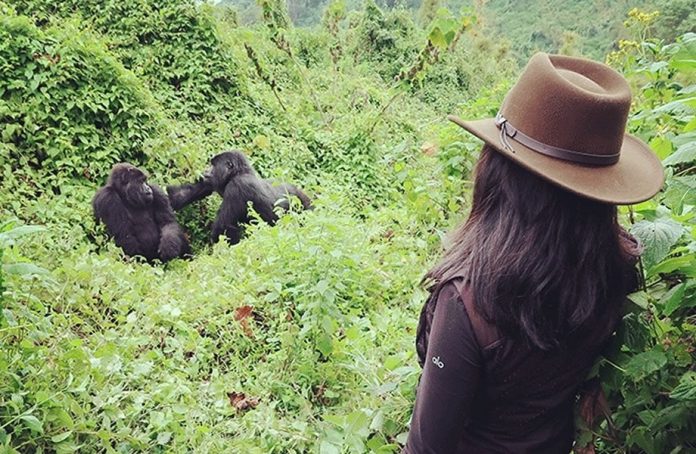
Mountain gorillas (Gorilla Beringei Beringei) are one of those critically endangered primates currently inhabiting the jungles of Eastern and Central Africa. These incredible creatures share up to 98% of human DNA and it is an unimaginable encounter to be amidst them in their natural habitat.

Mountain gorillas currently occupy the dense forests of Uganda’s Bwindi Impenetrable National Reserve and the slopes of the dormant Virunga mountain massif which spans across Rwanda’s Volcanoes National Park, Uganda’s Mgahinga Gorilla National Park, and Virunga National Park in the eastern region of the Democratic Republic of the Congo.

Where is Gorilla trekking Carried Out?

Yes, there is gorilla trekking in the impenetrable jungles of eastern and central Africa where one can watch in admiration one of the most endangered primates in their natural habitat.

A gorilla trekking tour is a highlight of why travelers visit this part of the world, specifically Uganda, Rwanda, and the Democratic Republic of Congo. And nowhere else in the world can one indulge in this magnificent wildlife adventure.

Which destinations can I go for gorilla trekking?

Africa is a magical continent, filled with abundant nature, diverse culture, a variety of wildlife, and varied relief and vegetation. And most importantly, it is a safe haven for critically endangered mountain gorillas.

It is only in Africa where travelers can meet and stay with mountain gorillas in the wilderness. This remarkable adventure comes once in a lifetime and is only found in Uganda, Rwanda, and the Democratic Republic of Congo. These countries are located in the eastern region of Africa and are famous for harboring these unique species.

Gorilla trekking safaris in these countries come in handy with numerous other wildlife tours, including birding, cultural and hiking trips.

The countries boast a total of 3 national parks which shelter over 1000 mountain gorillas altogether, and these include Mgahinga and Bwindi national parks in Uganda, Virunga national park in D. R. Congo, and Volcanoes national park in Rwanda.

All these parks have a total of over 25 gorilla families, which have been fully habituated and have been a center of attraction for travelers all over the world.

Are there accommodation facilities in these gorilla destinations?

The national parks offer a range of selected luxury properties with breathtaking views of the Virunga massif, a chance of mountains to which these parks belong.

The magnificence and serenity provided by these lodges offer ultimate experiences to complement a gorilla adventure trip.

The notable lodge options include luxury, mid-range, and budget properties and some camping options; all come with great hospitality, perfect setting, and excellent facilities.

What time does the gorilla trekking tour start?

A typical gorilla trekking tour whether in Uganda, Rwanda, or DR. Congo starts as early as 8:00 am with a briefing from the guides who will remind you of what to do and what not to do during the trekking experience.

The morning hours are better because that’s when gorillas can be just leaving their nests as they go looking for their daily food, during afternoon and evening hours, they are always relaxing.

What is the climate in the gorilla trekking regions?

This part of Africa is blessed with a pleasant and friendly climate and weather all year through. The weather is cold most especially at night, and temperatures can drop up to 10⁰C and during the day it may range from 17⁰-20⁰C. One is advised to carry a jacket /jumper /sweater to serve the changing climate.

Items to carry while on a gorilla trekking safari?

Rain jackets and sweaters or jumpers in case it rains,

You can also carry a camera and an extra battery

Water-resistant bags to protect your devices from the effects of water in case it rains.

Insect spray,

Face masks

At least two liters of water

Packed lunch since it’s an activity that is most likely to take the whole day.

Gloves; – are useful for grabbing bushes

Walking stick – provided by the camp

What are the best clothes to put on during gorilla trekking?

Make sure you put on -Trekking/Hiking boots,

Long-sleeved shirts

A pair of long stockings

Trousers

Bush hat that bare a brim for sun protection

And also a sweater to keep you warm

How fit do you need to be to do the Gorilla trek?

If you can put a foot in front of the other for some hours, it means you can do this. The guides are there to walk with you at the pace you can manage. However, it needs some average fitness, depending on the movements of the gorillas and a specific gorilla family allocated to you, as some families tend to dwell deep in the jungles while others are easily accessed just a few hours from the starting point.

However, there is no guarantee that one will see the gorillas because sometimes they can hide inside the forests but the guides will always ensure you don’t leave the forest without seeing these highly elusive apes.

How much does it cost to see gorillas?

For anyone to carry out a gorilla trekking safari, they require a permit that allows them to access the park. However, this comes at a cost; the gorilla permit cost varies from country to country.

Rwanda is still the most pricy destination as far as gorilla trekking is concerned and in May 2017, permit prices were doubled from 750$ to 1500$ making it the most expensive gorilla permit in Africa and the world.

Uganda still stands at USD 600 per permit in both Mgahinga and Bwindi national parks while gorilla habituation, an experience to stay with gorillas for up to 4 hours goes for 1,500$ per individual.

Unlike her neighbors Uganda and Rwanda, D.R. Congo has kept prices for gorilla permits as low as 400$ per person in both Kahuzi-Biega and Virunga national park.

9 Must Visit Historical Sites of Uganda

0
Inside Kasubi Tombs

Uganda is a culturally diverse country, with over 56 indigenous tribes. Ugandans are well known for their friendliness and hospitality. They have rich history and heritage too including both the country itself and the people. This heritage and history can be explored at historical sites including the UNESCO world heritage site Kasubi royal tombs.

On your safari to Uganda, prepare to be fascinated by history as you visit some of these 9 historical sites.

1. The Ivory Tower – Makerere University

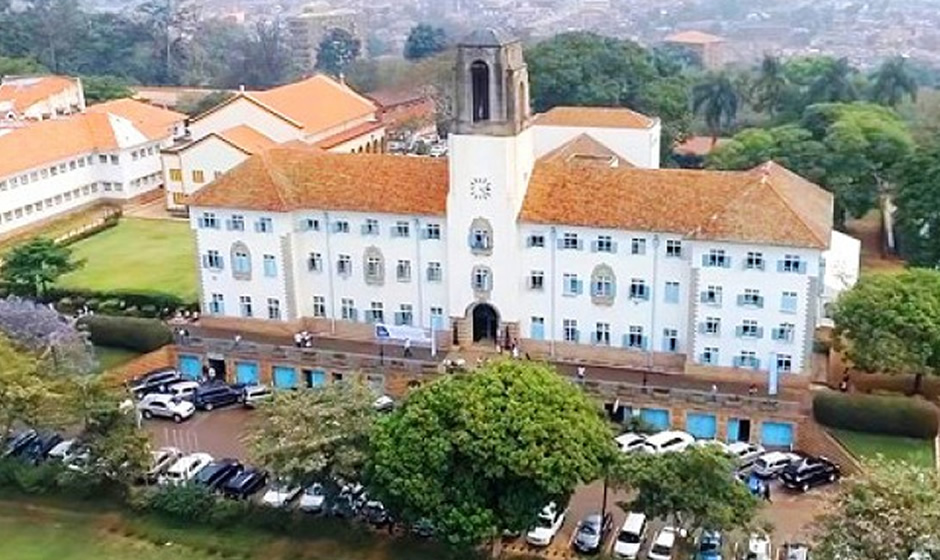
Makerere University

Makerere University is one of the oldest in Africa established in 1922. It began as a technical college offering mechanics, carpentry, and building courses but, Makerere has transformed over the century to become prestigious and always ranks among the top 10 universities for academic excellence in Africa according to the highly respected times higher education university Africa rankings. All this could not come if it was not the mercy and vision of Daudi Chwa the Kabaka of Buganda who offered free land to establish this mighty university.

Thanks to Daudi Chwa, otherwise, the university would have been established in Kenya had the Kabaka refused to offer land. Daudi chwa made a historical decision that has changed Uganda and the world in regard to the successful graduates and affiliates including Nelson Mandela’s wife Winnie Mandela among other noble prize winners. In addition, the Makerere alumni association includes a number of people who are leading innovations and development of the country in Uganda including lawyers, politicians, and researchers such as Dr. Charles Ssali one of the top HIV/AIDS researchers on the planet.

2. Uganda Museum

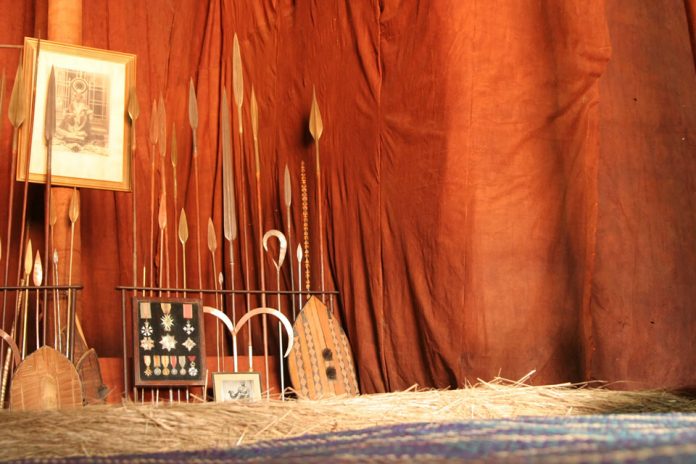
Uganda Museum

Uganda Museum is the national museum of Uganda located in Kamwokya next to Uganda wildlife authority along Kira road about 1.5 km from Kampala. This museum was created in 1902 and is the oldest in East Africa. It features a collection of over a million objects, artifacts, and excellent displays of Uganda’s early human history, traditional lifestyles, nature and wildlife, science and industry, and traditional musical gallery. In its compound, there is a motor gun that was used during the war in 1970s.

3. Kasubi Royal Tombs

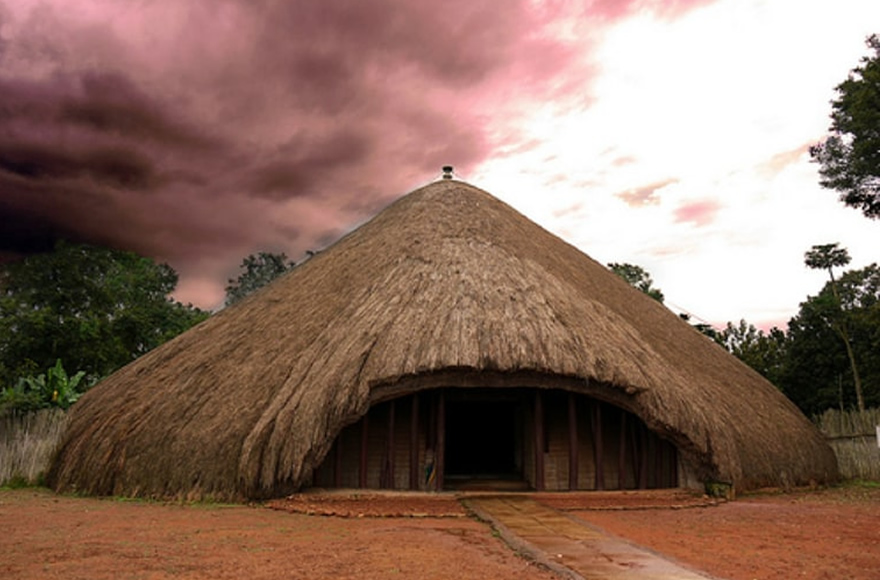
Kasubi Tombs

The Kasubi royal tombs are and a UNESCO world heritage site. They are cherished as the resting place of the four former kings of the Buganda kingdom and reflect the staunch traditionalism of the former kings.

The four tombs are sheltered with a traditional grass-thatched hut within a papyrus reed fence. In addition to the history behind the kings of Buganda, the tombs are great for photography and can be visited by tourists. Buganda treasures this site and in fact, still carries out special traditional rituals in imitation of their forefathers.

Mwanga the second ordered the construction of this site at Kasubi hill, about 5 km from Kampala, but he did not complete it, he died in 1884 and was laid to rest in his tomb at Kasubi. They are located on Kasubi hill 30 minutes drive from Kampala and can be visited by Uganda tourists on a Kampala city tour. despite all this history to explore at Kasubi, the tombs are under reconstruction following fire destruction in 2010.

4. Namugongo Martyrs Shrine

Uganda Martyrs' Shrine Namugongo

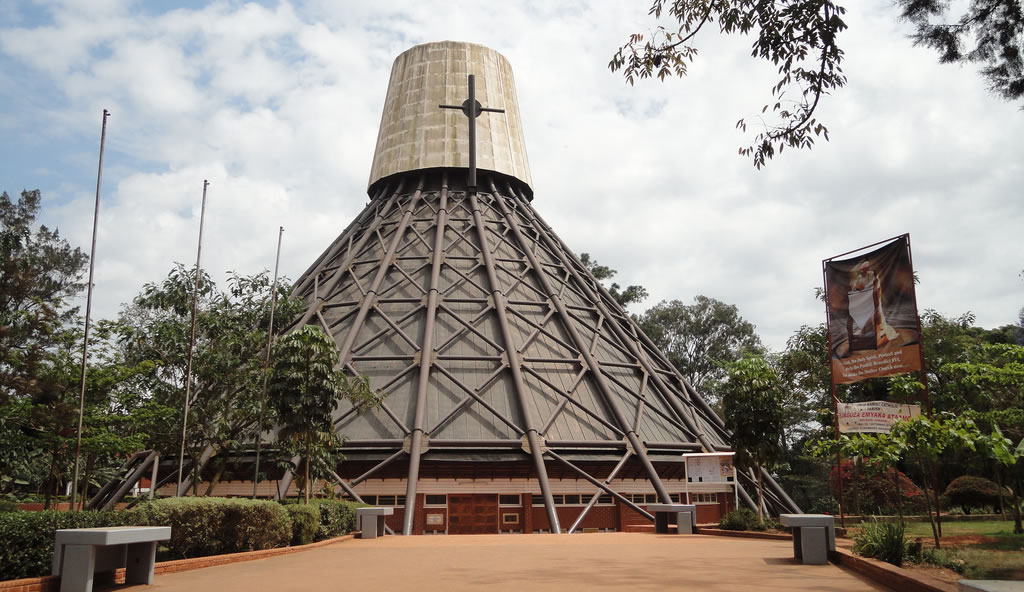
The basilica and museum at the Uganda martyrs shrine in Namugongo Kampala provide insight into the struggle that Christians in Uganda faced as they went about preaching the gospel of faith in Jesus Christ which had been brought by Christian missionaries. Between 1883 and 1885, the Kabaka of Buganda Mwanga II ordered the killing and burning of the 23 23 catholic and Anglican martyrs accusing them of tarnishing his traditional kingdom’s beliefs as barbaric and backward.

The Uganda martyrs shrine stands on the site where the final killings took place and it has turned out to be a worldwide religious holiday and pilgrimage known as Martyrs Day.  Every 3rd of June, it attracts pilgrims who walk on foot from around East Africa to congregate and pray to God. Namugongo martyrs shrine has been visited by different Roman Catholic popes including Pope Paul the 4th who canonized the site in 1967 and pope Francis who visited the place in 2015.

5. Torture Chambers

Amin Torture Chambers

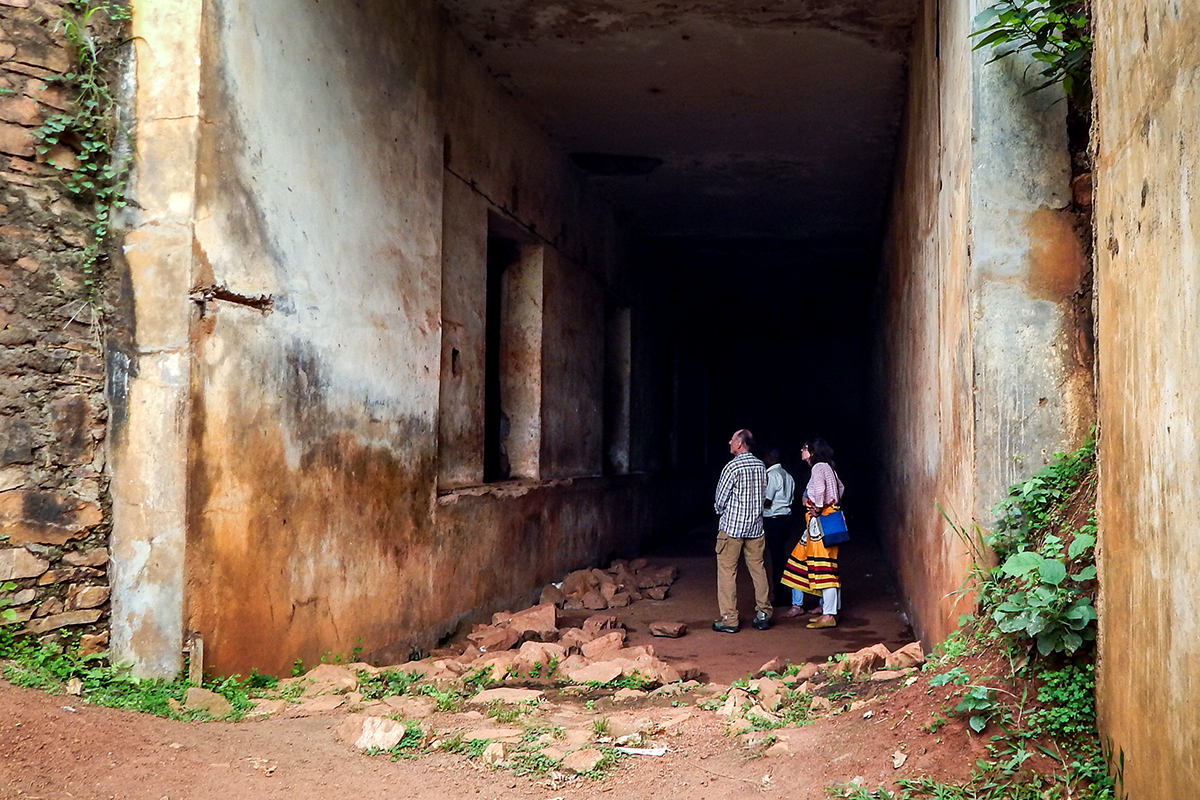
The torture chamber located inside the Lubiri Mengo palace in Kampala is one of the reminders of the historical civil unrest that hovered over Uganda when the late Idi Amin was president of Uganda from 1971 to 1979. Until then, you may have known Uganda by the name of president Idi Amin or watched a movie like the last king of Scotland.

A visit to Katereke ditch prison with a guide will get you into something strange in the history of Uganda. In 1966 President Milton Obote (who Amin toppled through a coup d’état), abolished kingdoms and attacked Lubiri turning it into an army barracks. Following Amin’s capture of power in 1971, he built the Katereke ditches as a gun and ammunition armory. Years later, Amin came to learn that Obote was mobilizing Ugandans to overthrow him. Hence Amin directed soldiers to arrest and imprison people he suspected were against him. It is said that over 19,000 people were tortured during Amin’s regime and 6000 in Obote’s. At the torture chambers, you can read the words of the prisoners like “Amin, you have killed me what about my son.” that’s very sad, a lot of terrible things happened.

6. Independence Monument

Independence Monument

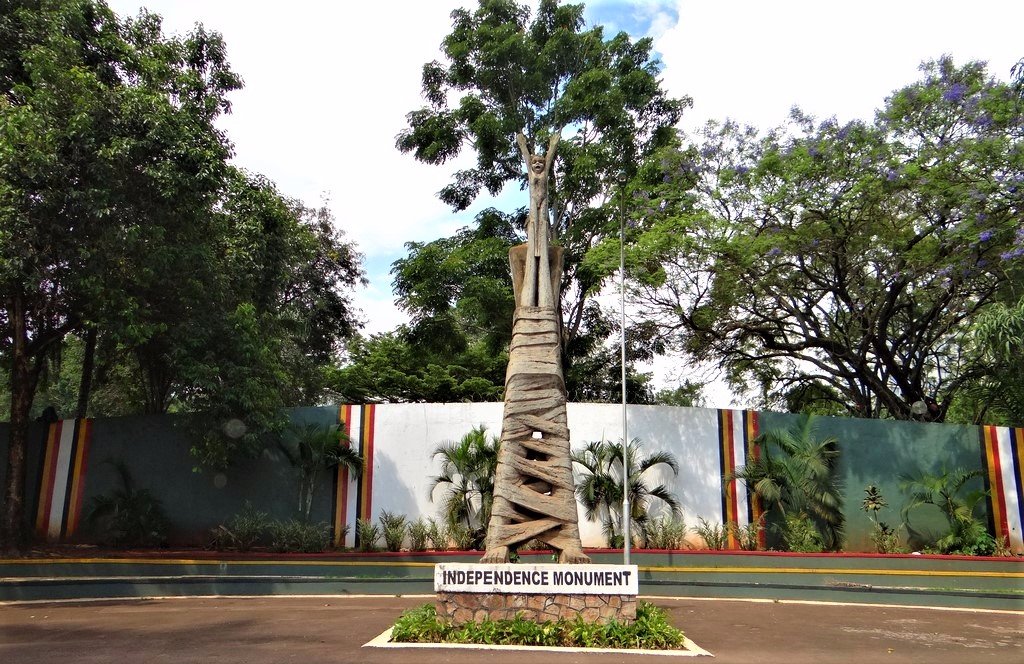
A symbol of history, the independence monument Kampala was built in 1962 for Uganda’s independence from the British colonial government. It stands behind Sheraton hotel along Speke road and Nile Avenue in Kampala city. The monument made of cement, sand, iron bars, and wire mesh is in form of a woman standing on the ground holding and rising up a little child in the sky. It signifies Uganda and her people overcoming the bondage of British colonialism as much it is appreciated by pan Africans and nationalists worldwide.  The Uganda independence monument was designed by the influential modern sculpture Gregory Maloba Luhya a Kenyan who studied and was a lecturer at Makerere University. Visit and stand at this monument for photos and to be part of the history and milestone Uganda has ever since 9th October 1962.

7. Biharwe Eclipse Monument at Igongo Cultural Center

The eclipse which occurred in 1520AD is well documented by astronomers, modern scientists and rivals the most recent total lunar eclipse of 2013 and was best viewed at Packwach northern Uganda.

Biharwe Eclipse Monument

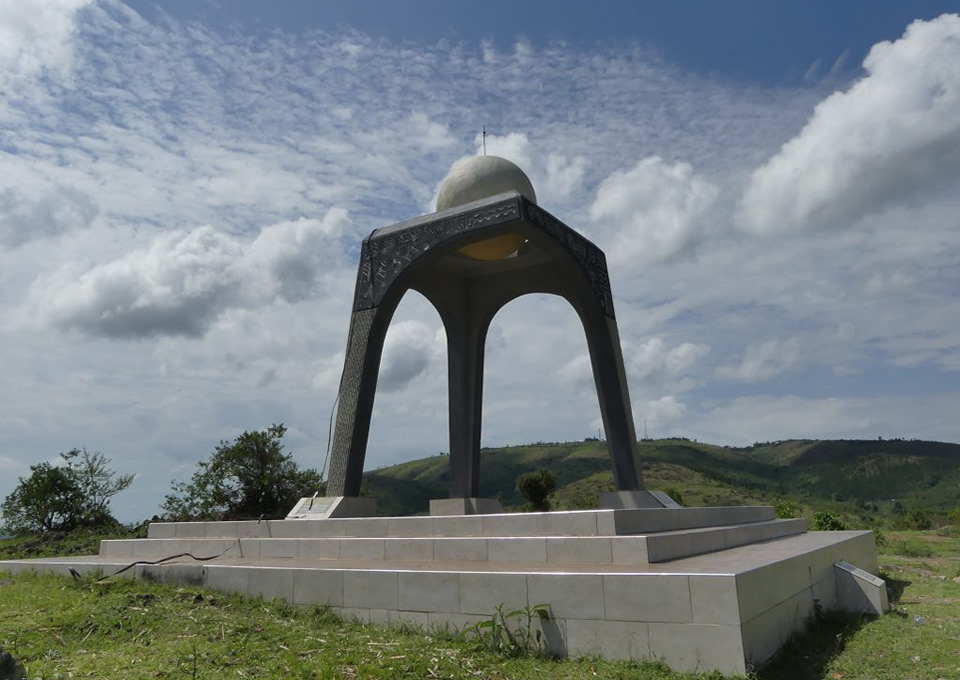
Visit the Biharwe eclipse monument is located at Biharwe hill overlooking Igongo cultural center near Mbarara town. It was built in 2014 to remember and reveal the power and impact of the historical lunar total eclipse that occurred in 1520 AD have had on the traditional kingdoms of Ankole, Buganda, and Bunyoro Kitara Empire. The names of the Ankole longhorn cattle provide evidence of the significance of the eclipse that occurred at Biharwe hill. Before the eclipse occurred, the three kings of these kingdoms had been involved in cattle raiding conflicts.

King Olimi I of the Bunyoro empire had raided much of the cattle by invading the other kingdoms which caused severe famine because cattle were the source of livelihood proving milk and meat. When Olimi and his entourage reached Biharwe hill while returning from raiding cattle in southwestern Uganda, the eclipse stroked causing fear and superstition. Out of fear, Olimi abandoned the cattle he had raided leaving them in the hands of their owners. After the eclipse, Ankole king retained their cattle and people thought the cows had come from heaven and named them so “Enduga Mwiguru” the impact of Biharwe eclipse could only be remembered by putting up a monument which visitors on Uganda safari can visit at Igongo cultural center.

8. Nakayima Tree Shrine

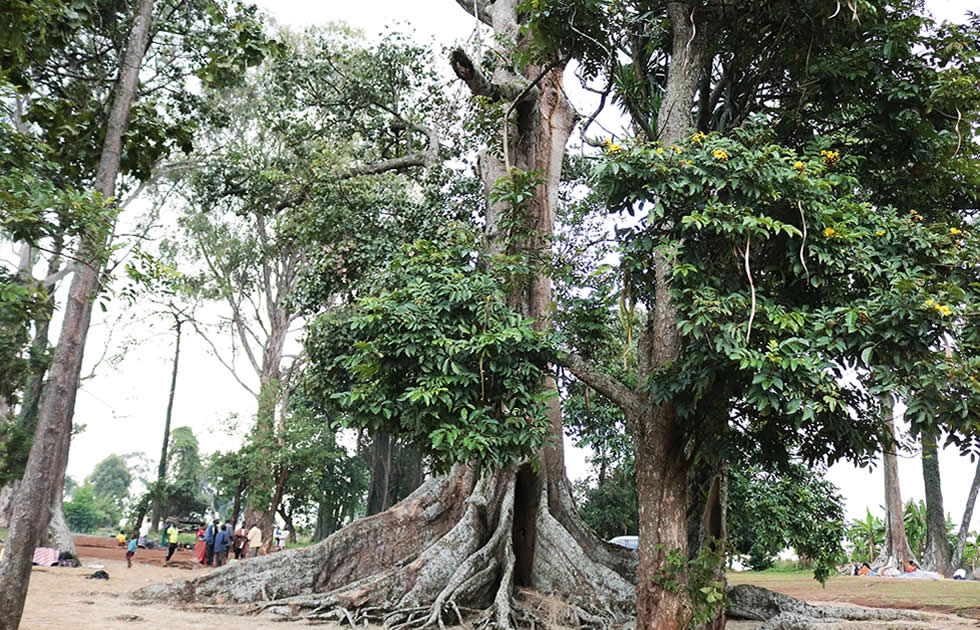
Discover one of the oldest trees on earth, Nakayima Tree shrine has survived for the last 500 years ago. Nakayima tree’s age was determined in 2015 after researchers visited and estimated that the tree shrine was around 500 years old. It is located in Mubende town along the route where tourists pass en route to Kibale forest national park for chimpanzee trekking safaris.

Nakayima Tree

Mubende is found in western Uganda, which was for many years ruled by the Bachwezi kingdom around 1100 to 1500. One of the ruler’s wives named Nakayima inherited the tree as a shrine to keep rituals and the spirits of his husband Ndahura. To date, locals still used the shrine to perfume rituals as they blow their pipes. The story of Nakayima is fascinating apart from being a shrine, it is one of the few ancient trees still living.

9. Punishment Island –Lake Bunyonyi

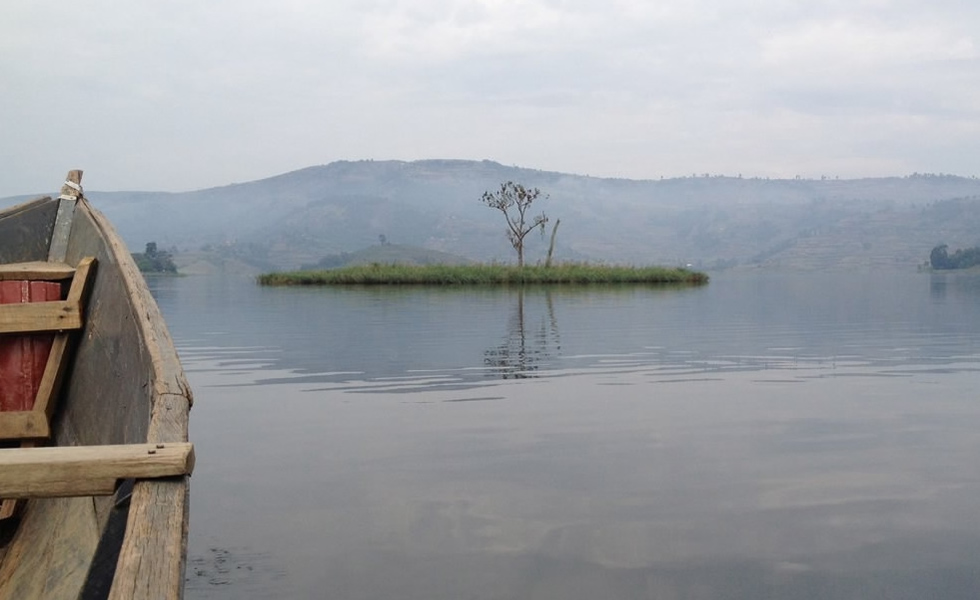
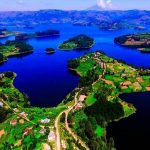
The punishment islands are one of the 19 spectacular islands on Lake Bunyonyi a beautiful lake where tourists normally relax and chill after strenuous gorilla treks in Bwindi southwestern Uganda.

Punishment Island of Bunyonyi

The island was named punishment because long ago, girls who would get pregnant before marriage would be punishable by death on orders of the elders of the family. Girls would be tied and dumped on the island from where they would starve to death or drown in the waters of Bunyonyi being the second deepest lake in Africa at a depth of 900m. though the practice ended around 1920’s, the remains of human Skeleton at the island make it a historical site to remember.

Experiences

Top 5 Cultural Attractions in Uganda

0
Cultural tourism is the practice of traveling to experience and appreciate the unique cultural heritage, traditions, and lifestyles of a particular destination. This involves...
Mountain Biking in Uganda

Mountain Biking Around Uganda

0
Mountain biking. The sport has been embraced worldwide hitting the mainstream in the past 20 years when bike manufacturers realised the growing popularity of...
Kampala Tourist Guide

10 Geeky Things to Do in Kampala

0
Kampala is located in central Uganda on the shores of Lake Victoria and is the capital and business center of this countries.  Kampala is...
Mgahinga Volcanoes

Go Gorilla Trekking in Mgahinga National Park

0
Uganda the pearl of Africa is blessed with half of the total mountain gorillas living in the whole world and the mountain gorillas in...
Bwindi Mountain Gorilla

Visiting the Mountain Gorillas in Bwindi Forest

0
Mountain gorillas are subspecies of primate animals called gorillas. Gorillas are the largest great apes left in the world which live in the tropical...
Bwindi Impenetrable Forest

Experience Mountain Gorilla Trekking in Bwindi

0
Mountain gorillas are subspecies of primate animals called gorillas. Gorillas are the largest great apes left in the world which live in the tropical...

5 Amazing Things to Do in Budongo Forest

0
Budongo forest is one of the largest conserved forest areas in Uganda covering an area of 841 square kilometers. Located with Murchison falls national...
canopy in Nyungwe NP

Journey to Explore Rwanda’s National Parks

0
Rwanda is a small and landlocked country boarding east African countries. It is bordered by Tanzania in the east, Uganda in the north, Burundi...
East Africa Safari

Things to Do in East Africa

0
Ballooning Mountain Climbing – Rock Climbing & Mountain Biking. this is done in Mr. Rwenzori national park in Uganda, Mount Kilimanjaro national park...
Lake Bunyonyi

Holiday at Lake Bunyonyi in Uganda

0
Lake Bunyonyi is one of the most scenic places in Uganda famous to travelers who take a circuit to the attractions in the western...