Home Blog Page 20

CAA Completes Modification of Immigration Booths at Entebbe Airport

0
Civil Aviation Uganda

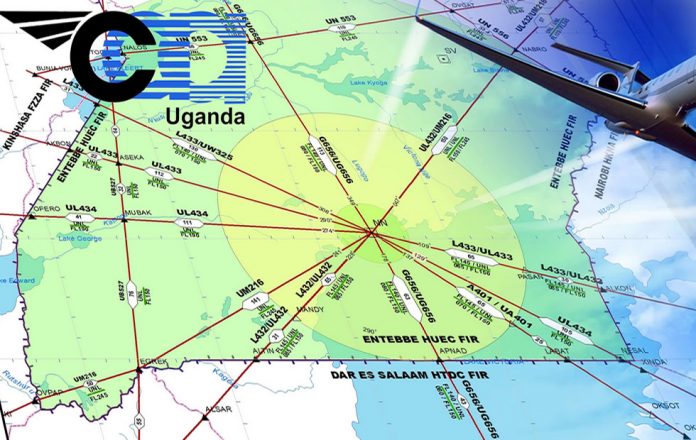
The Uganda Civil Aviation Authority (CAA) has completed modification of immigration booths in the Arrivals Hall at the Entebbe International Airport. It is envisaged that the new development – which has effectively increased the number of counters from 14 to 20 – will enhance efficiency and reduce on queues.

Some of the new Immigration booths installed are each manned by four people – and others three – instead of just two officials as was the case with the old ones that have been replaced by the project contractor, China Nanjing.

CAA has also introduced a fast tracking lane by dedicating one of the counters to specifically cater for passengers with special needs, first class and Business Class, crew and the like. The next step is now to modify the immigration counters in departures and increase their numbers to further enhance service delivery.

This Ugandan Startup is making low cost sanitary pads out of sugarcane!

0

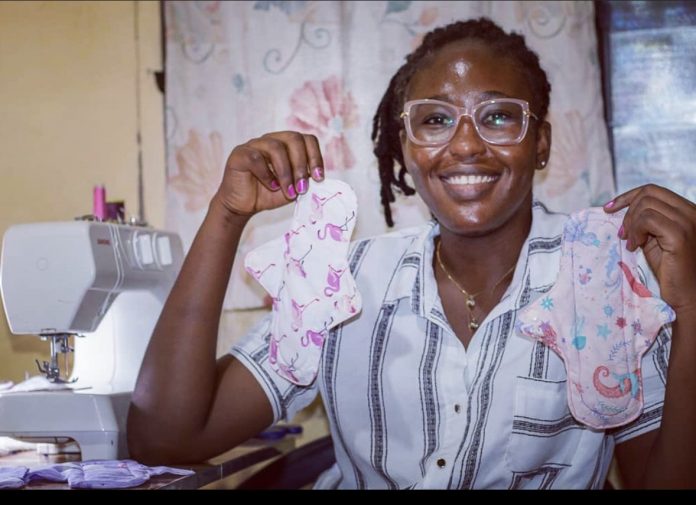
It all started when Lydia Asiimwe Sabiiti the Founder of EcoSmart Pads, met a 16-year-old girl Kyomuhendo who had traveled a long way, hailing from her village in Rwanyamahenbe, the Western part of Uganda.

Kyomuhendo was being escorted by her mother in search for better health care at Mbarara Regional referral Hospital. She had developed wounds in her vagina that had first presented with itching soon after her menstruation period.

“As I approached her, I could tell she was in so much pain. Her eyes were swollen from crying and her mother seemed weary from managing her daughter’s pain. They couldn’t find their way through the hospital so I offered to walk with them to the department of Obstetrics.” Lydia explains.

As the two walked and talked, Lydia learned that due to failure to afford sanitary pads, Kyomuhendo had been using 3 pieces of the same old cloth over the last 2 years of managing her menstrual flow. She learnt that the same cloth was shared among 3 of her sisters and 2 other cousins who all lived with them.

Her mother mentioned with distress that the cloth had not only changed color over time but had also developed a very bad odor making it increasingly uncomfortable to wear at school or any other public place.

“I silently concluded that this form of menstrual management was the source of Kyomuhendo’s pain and I was determined to do something about it. I facilitated the CAMTech Uganda internship programme and I got my chance to tell this story to ateam of students who had enrolled for the programme.” Lydia explains.

When Lydia finally told her story, three other students on the programme were inspired to act and they joined her and together, they formed a team. The team grew to be known as the EcoSmart Pads team and they have figured out a way to upcycle sugarcane fiber into a material that they are now using to make low cost and eco friendly sanitary pads that people like Kyomuhendo will be able to afford. Their vision- To ensure equality, vibrancy and dignity in menstrual management among girls and women in Uganda.

Lydia conducting an awareness session

The Eco-Smart Pads idea

The Eco Smart Pads are sanitary pads made out of sugarcane recycled residues for girls and women of menstrual going age from low-income backgrounds.

“Sugarcane residues at sugar manufacturing factories are the raw materials to our product and are obtained at an affordable price,” Lydia says. She is convinced that this idea will work because of the low costs of production that will significantly lower the price of this product.

The team first conducted an experiment in the Microbiology lab at Mbarara University of Science and Technology to determine which one of the two between Maize and Sugarcane had residues with a high absorbance rate. Sugar cane emerged with a higher absorbance percentage and was selected as the plant to be considered as a raw material for this innovation.

“We did conduct a needs assessment, interacted with our end-users and generated findings from them, informing our price estimates and product packaging quantities,” Lydia explains.

Right now, the EcoSmart pads team is sending on the market a 12 piece pack (because the end-users said on average each would be conformable to use 12 pieces in a single menstruation period).

“We are selling each pack at UGX 1500 cutting down current costs by 50%, 90% of the end-users we interacted with said they could only afford to pay between ugx 1000 – 1500. We are not looking to generate much revenue from sales because we are selling to low income earners. We are looking to work with philanthropists to cause an impact in our local community. As for the sustainability of our company, we are looking at other income generating options.” Lydia elaborates.

These pads are also disposable. The team figured you don’t give a reusable pad to uneducated- rural based -low income earners and expect them to maintain it at its required high standard hygiene levels. They will maintain it the same way they maintain the old cloth that they use – washing it at night and keeping it wet under their beddings. It will cause infections and the problem will not have been solved. The EcoSmart sanitary pad is disposable and our packaged quantities allow them to change the used pad at least 3 times a day which is more healthy.

The primary beneficiaries of this product are school going girls from low income backgrounds whose pursue of education has been affected by this challenge.

Other non school going women from low income backgrounds such as women in prison, refugee camps, public hospitals, are also primary beneficiaries of this product. Generally, female Ugandans from high income earning backgrounds will too benefit from the low cost of this product as they will be able to make some saving.

In June 2017, the EcoSmart Pad team won a $10,000 grant from UNFPA’s UpAccelerate program to move the idea from inception to prototype development.

The issue of menstruation

Menstruation is one thing which almost every woman has to deal with. Every month.

Many Ugandan women still use scrap cloth from old saris and towels, the traditional method for managing menstruation for thousands of years.

On average, a single woman generates 125kg of sanitary waste during her menstruating years when she uses disposable sanitary products.

A UNESCO report estimates that one in ten girls in Sub-Saharan Africa misses school during their menstrual cycle. By some estimates, this equals as much as twenty percent of a given school year.

Many girls drop out of school altogether once they begin menstruating. Young women miss twenty percent of school days in a given year due to a lack of facilities or a lack of information or a lack of sanitary products.

In june 2017, EcoSmart Pads told their story during UNFPA’s Up Accelerate challenge and the judges were touched. They won a $10,000 to move our idea from inception to prototype development.

Don’t you think Eco Smart Pads is going to change this status quo?

How This Man’s Striking Photography is Making Bobi Wine an Internet Sensation

0

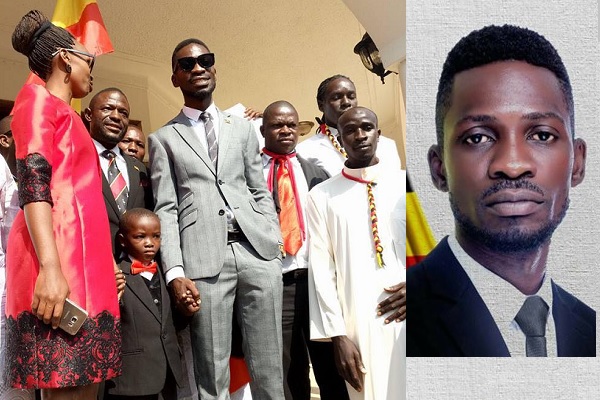
On April 26 this year, one of Uganda’s most popular musicians openly declared his intentions to venture into politics, an announcement that sent a mix of waves across the country. Bobi Wine who had for long used his music to advocate for social justice, democracy and transparency in the political leadership was now taking these issues to the Parliament as a legislator.

One can not scrutinize the popularity of Bobi Wine’s month long campaign (and him becoming a Member of Parliament) without appreciating the role played by social media. Everyday, social media was awash with photos and videos of crowds at his rallies, enthusiastic supporters doing the most craziest things, his door to door campaigns and his adored wife Barbie who stood by him all the while.

But hidden beneath the surface, were anonymous faces that played an equally if not more significant part in turning the election (and status) in Bobi’s favor.

One of these faces was (and remains) Andrew Natumanya, commonly named ‘Tabz’ who kept the lens on the events that characterized the month long campaign trail and Bobi Wine’s political figure today as his official photographer

The Story of Andrew Natumanya

A naughty Andrew while in Primary Two (P.2) one day defied school regulations and brought hard corn to class.

The teacher caught him crunching on the corn and asked what he had been eating, Andrew said he was eating tabs (tablets). The teacher searched his bag only for the corn to spill on the floor attracting an outburst of laughter from his classmates. Andrew had got a new name for himself – Tabz.

When I sat down with 24-year-old Tabz, a student of law at Makerere University recently to get a sense of his relationship with Bobi and his reflections of the campaign, I asked him how he ended up into photography.

“I did Law to please my parents and to award their efforts. They did all they could do to educate the four of us (him and his siblings). So I struggled hard to reward their efforts,” he tells me.

During his time at Makerere University, Tabz had focused more through the camera lens than he had focused on acquainting himself with court cases and law related literature. Suffice to say, photography is also a gene he inherited from his father who too had passion for it.

Growing up, Tabz would borrow cameras from friends and take photos and in the process, the interest grew. Then, he began trying more angles and people loved his work.

An election campaign at the university was the propelling point in his pursuit to grow his skill in photography. When his friend Andrew Mujinya chose to contest for Guild Presidency at Makerere University, Tabz was responsible for handling social media for the campaign, so, later he realized they needed photography.

All this while, he had been using borrowed cameras until he finally realized he needed to buy his own camera. And when he put the request to his sister and mother three years ago, they supported him to purchase one at Ush 2.2 million.

“Before I knew it, I was lost in photography more than what I was studying,” Tabz says.

And Kampala being the buzz of activity that it is, Tabz found a window of opportunity in the regular protests, concerts, parties and other events to take photos and share them on social media. To this day, he makes time and sets off on foot around the city to take random shots. You never know where you will land a captivating shot.

Away from the one off photography gigs, Tabz, did media work with Uganda Police, a job that later put him in the middle of some political controversy. On August 10 2016, a day that the Inspector General of Police (IGP) was expected to appear before the Makindye court over allegations of police brutality, Tabz was present to take photos as his work demanded.

When chaos broke out between protesters supporting the IGP and those against, one of the local televisions singled out Tabz and reported that he was among those instigating violence.

“They alleged that I was there to cause commotion, which wasn’t the case. They quickly judged on plain sight. I was only doing media which had nothing to do with Police operations. I don’t like that they’ve never come out to apologize,” in a disgruntled tone, he tells me. That day has stuck with him to date.

He says this incident cast him in bad light especially in the eyes of his friends. But at the same time, it inspired him to work hard to challenge the image the media had portrayed of him.

This aside, his challenges have been; access restrictions by some government organs especially security agencies and limitations in photography equipment due to insufficient funds.

Working with Bobi Wine

“He’s been a friend of mine for a long time. I liked his music like anyone else, then I started paying keen attention to his lyrics and it appeared as though he was singing about my life.” he answers when I ask how he got to work with Bobi.

Tabz never could have predicted that at one point, he would be a close associate to his icon (Bobi Wine) let alone become his official photographer. Every person has an encounter with luck that turns their life around, never to be the same again. For Tabz, this was the day he took his very first photo at Bobi Wine’s political campaign.

As the campaign gathered momentum, he secured a leave from his Police work to concentrate on his friend’s political bid in Kyadondo East.

“When you have a friend and they have a wedding, you would have something to contribute. When Bobi Wine was campaigning, I was working for Police. I asked and they granted me leave.” Andrew explains.

He recalls calling Bobi Wine three days into the campaign. “I asked him ‘Bobi, where are you?’ He told me he was already in the campaign and asked me to join in.”

“He didn’t know I would come with my camera because he hadn’t really picked interest in my photography. I spent the entire day taking pictures. But my relationship with him helped me. He quickly became my model and it was easy when I asked him to pose for the camera,” Tabz narrates.

It did not take me time to get a sense of the strong rapport that the two (Bobi Wine and his photographer) have built. Our interview is interrupted by a phone call and Tabz is speaking to Bobi Wine about a request by one of the television stations seeking the MP to appear on a political show later in the week. From the tone of their interaction, you can tell that Tabz is much more to Bobi Wine than just a photographer. Sometimes he offers advice and Bobi Wine heeds to it.

In the campaign, after a long day’s work, Tabz would take the photos to Bobi Wine, but it took a while for him (Bobi), he says, to believe it was him taking the photos. As opposed to what many may think – that Bobi Wine’s social media accounts are ran by handlers, Tabz tells me “He [Bobi] personally chooses which photos to post and posts them.”

He chose to resign his job at Police because he realized “that there was a lot of untold stories to Uganda.”

What stands out in his recollection of the time he spent with Bobi Wine pursuing political support is how hectic the daily campaign program got, not only for Bobi but everybody on the campaign team. Their daily routine began as early as 5am before setting out on a door to door campaign where Bobi Wine solicited support from individual households and later climaxed with a rally at 4pm.

“Everyday started with small pockets of people but numbers gradually grew into crowds of people and a lengthy motorcade. You never knew where people came from,” Tabz recounts


“There’s a day we met a certain man who had a truck. He had doubts that Bobi Wine was part of the procession. He couldn’t believe us until we showed Bobi to him. He surrendered the truck to us for free for the campaign,” he says.

Whereas the gazetted time to end campaigns was 6pm, Tabz’s work was only halfway by this time. It is about the same time that he sat down and began sorting through the photos he had captured the entire day before submitting them to Bobi Wine. He prides in the fact that his work always ended up being posted on Bobi wine’s social platforms even when there were numerous other photographers trailing the campaign.

Amid the busy schedule, limited rest time and negotiating edgy angles to get the perfect shots, Tabz remembers the hardworking nature of Bobi Wine’s wife, Barbra Kyagulanyi (Barbie). “The inner circle of the campaign team comprised of at least 20 people. But Barbie woke up early and prepared breakfast for us all by herself,” he says.

I asked him where he strikes the balance between doing his work while ensuring he doesn’t invade Bobi Wine and his family’s private space. At first he laughs it off, before saying; “What are private moments? Bobi Wine no longer has a private life because he is a public figure. There’s not a time when his home is not occupied by over 20 people.”

“You’ve seen photos of him and his daughter which has been trending of late.”

But he quickly adds; “I am an adult and I know what is fit for public consumption and what should be restricted.”

Different people understand Bobi Wine differently. But for someone who has been quite close to Bobi since he joined politics, Tabz describes him as one who is “always ready to stand for the truth even when he stands alone”.

The famous photo when Bobi Wine was blocked at Entebbe


September 22 was not the best day for Bobi Wine but it is certainly a day that Tabz might live to recall for all the good reasons. The day his photo became an internet sensation, attracting lots of credit on social platforms. Bobi Wine had just landed at Entebbe International Airport from the U.S and on his way to Kampala, police blocked him and demanded that he goes to the police station to record a statement.

It is in that chaos that Tabz took a photo of Bobi Wine with head protruding the roof of his SUV, both arms raised – holding the Uganda flag in his right hand and the constitution booklet in the left hand. Two police pickups stood in front of his car while a few people surrounded Bobi Wine’s car.

The photo, tweeted by Bobi Wine on the very day with a caption “Wake up Uganda” has so far been retweeted close to 1,000 times and attracted close to 2,000 likes. It is among Bobi Wines most engaging and shared photos on Twitter.

“We were coming from the airport, the Police blocked us. When this happened, in a short time, people started converging and the place became full,” Tabz narrates to me.

He adds; “We were there for about an hour. But when I looked at the way the police trucks were packed, I wondered how I could shoot the entire scene. I went behind the trucks and I took the shot.”

“But it was on time because Police had put barricades trying to stop him but on his part, he was arguing ‘I am Ugandan and I am defending my constitution’ (raising a flag in one hand and the constitution in another). But he did it for a few seconds and I captured the moment.”

Responding to the praises that the Entebbe photo has attracted on social media, he tells me it makes him feel “energized” and “challenged” at the same time.

Tabz says he has tried to learn from photographers that are better than him. He is inspired by well timed shots. “Someone takes a picture of a lion jumping on a kob. The lion won’t do it four times for you to get the best shot. So photography is like life. Once a moment is gone, you can never get it,” says Tabz.

I ask Tabz whether it’s true that photographers must think ahead of events or whether some shots just come out of mere luck.

“There’s no shot that comes out of luck. There has to be effort to have your output. If you are going to the field and you want to be comfortable and smart, you won’t get the best work out of you.”

His magic trick is keeping his eye on the lens.

The risk of working with Bobi Wine

Police officers block the road to Nagalama police station. One of the photos taken by Tabz before his equipment was confiscated by security agents

When I rang Tabz to schedule an interview, he didn’t hesitate to it. Part of the reason was that given his work in the context of Uganda’s politics, he wasn’t sure where tomorrow would land him. In other words the stakes are high and the risks involve being arrested.

But he is not scared by any of this.

“I am not intimidated. Freedom and positive change never come on a silver platter,” he replies when I asked whether he is not afraid.

“I am 24 years old and am very sure that H.E Yoweri Museveni won’t be alive n the next 20 years whether he likes it or not. Will I still be jailed? All I know, history will remember me for having fought using what I know best. I know they will confiscate my camera but we shall overcome.”

People like Tabz who are in circles of vocal and provocative opposition politicians are not the most secure people especially in Uganda. In fact, recently, after the infamous brawl in Parliament, his equipment was confiscated by security operatives for no clear reason.

He trailed Bobi Wine the day he got arrested from Parliament to Nagalama several miles outside Kampala. Tabz had been taking photos and making Twitter updates all through the way. But he later noticed a certain Prado with private number plates with UPDF officers was following them.

“The Prado by passed us and parked. Then another vehicle came following and officers rounded us up. My bag was taken and my friend was arrested”. His bag contained two phones, pairs of lenses, cables, a power bank among other things.

“When I went to pick them, they chased me away and threatened to detain me,” he tells me.

“I gave up. I can’t start fighting the entire army of police who are armed. I can’t even challenge them in court. So, i have no option, I will work hard, save more and hope that God will provide.”

He suspects that the entire team working with Bobi Wine is being spied on by security agents who will stop at nothing to break the spirit. “Even when I buy other lenses, I know they will come and get them but that is the oppression we live in.”

Photography in era of social media

With the fast rise of the internet age, many photographers are increasingly establishing a footprint on social media as a way of showcasing their work and pushing their brands. For some, the results have been positive.

Tabz says social media is by far the biggest tool of branding and advertisement. “When you write something in the newspapers or television, but it is difficult to retrieve it as opposed to if someone had it on their phone. Internet does not forget.”

“I value social media a lot,” he says.

The impact of Tabz’s photos has been that their reach on social media has attracted wide attention to the growing political influence that Bobi Wine has had in Uganda in his few months as an MP. So, while Bobi might take all the credit for his people centric political ideals, but the magnitude in which social media has scored extra points for him can’t be underestimated. And Tabz is at the centre of this.

Lately, his posts especially on Twitter are consistently tilting towards photojournalism. If anything were to happen to Bobi Wine, Tabz, is likely to be the first person to break the news. And he has built credible trust given his work with Bobi. Whether Bobi has been arrested, holding a music show, at home interacting with guests or in Namboole stadium cheering the national soccer team, Tabz will feed live updates or post the happenings later through his social media.

Soldiers saluting Bobi Wine and claims that he met with President Museveni

There were recent claims making rounds on social media that Bobi Wine met with President Yoweri Museveni, after photos emerged showing soldiers saluting him during the night. I jokingly asked Tabz whether he has photos of the alleged meeting in his archives.

“This is either a plan by the government to spread propaganda to tarnish Bobi Wine’s name or the opposition trying to stay on top of the news,” Tabz comments.

“Those pictures were taken in Budaka. We came from a concert in Kyotera and drove through Kampala. Why would people allow to be confused? We have cameras and photographic evidence of where we were and what time.”

Tabz reveals to me that there are various other photos of soldiers, policemen, and prisons personnel in different places saluting Bobi Wine but which he feels there’s no cause for Bobi Wine to explain himself.

The writer, Paul Ampurire (R) and Tabz (L) chatting moments after the interview

 Photography as a career?

“I told you I did Law to reward the efforts of my parents. They will be rewarded by a transcript (academic document). Once they finally get the transcript, to well with the Law. I must go for where my passion is. How many lawyers do we have and how many photographers do we have?” he says.

But beyond still photography, Tabz also films videos including documentaries and TV commercials.

Tabz says his transition to photojournalism is driven by the realization that “from photography, is a lot of information I could give to the public”

Some of his mentors including the NBS TV CEO Kin Karisa have also wooed him into weaving a career in journalism and he is beginning to.

He intends to “put out fire with fire” by building himself as an investigative journalist.

Some of his career destinations include working with local media like NBS TV as well as international media organizations like Aljazeera, AFP, and the BBC.

But first, he says he needs to build up his skill set.

To his fellow Millenials, Tabz says they should learn not to despise jobs

These innovators have created an app that addresses the challenge of drug stock outs in public health facilities

0

Health centers in Uganda face a serious shortage of drugs, many of the essential drugs, and this has always continuously caused a deep concern amongst citizens and health workers, and development partners alike.

These challenges could be attributed to the shortages in budget allocations by the Ministry of Health, or the lack of clear monitoring of drugs distribution in health centers spread out across the country, among other reasons.

For example, Daily Monitor quoted a June 2015 report by the Budget Monitoring and Accountability Unit of the Finance ministry that paints a grim picture of public health facilities. The report shows that for a whole year, more than 90 percent of public health facilities reported non-supply of ordered medical items, including drugs and stationery. Close to three years later, the perennial problem of drug shortage has not been resolved.

DrugDash a Ugandan startup is trying to solve this problem.

DrugDash is a decision support system that is enabling health centers and drug distribution players to capture data on drug supplies and consumption so as to better understand consumption trends through easy-to-understand visualization tools that support accurate decision making.

“The application has two ends. It has a mobile end and web app. The information is fed from the mobile application on devices like tablets or simple Android mobile phones at the health centers where stock is taken, issues are recorded, and monitoring of the stock happens at the District Health Office where the web application sits.” Solomon Kahuma, the Software Developer DrugDash explains.

The data on medicine stock levels are viewed on a web application in simple graphs and other ways which are easier for responsible personnel to interpret and make informed decisions.

“We believe that more lives can be saved if the stocking of drugs in Government districts can be optimized. We must leverage technology to enhance decision making and ease coordination between the district health centers and the central government medical stores.” Joanitah N Nalubega the Project Finance Officer explains.

Solomon from DrugDash explains how the application works to health officials. (Photo credit: DrugDash)

Therefore, DrugDash seeks to solve the problem of poor decision-making in drug ordering at health facilities due to underutilization of data collected and stored in paper forms, leading to poor stocking of needed within a community.

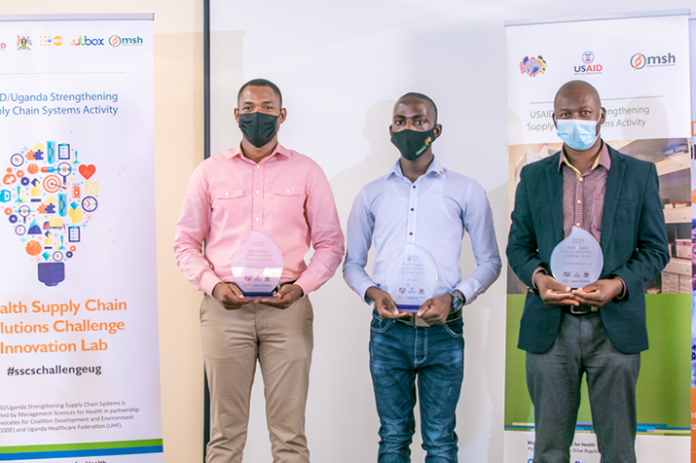
This was witnessed when the solution was deployed to ten (10) health facilities in Bukedea (Eastern Uganda) with support from the UpAccelerate initiative which enabled DrugDash to receive seed funding to develop and test out their solution in Bukedea District in Eastern Uganda.

Receiving the $10,000 seed funding from UNFPA’s UpAccelerate program. (photo credit: DrugDash)

“The current process has been a challenge because it is not easy to know which item is missing in facility X or which item is overstocked in Facility B but with DrugDash, this makes it easy for you to track the supplies.” George Akol the Medicines & Store Manager Bukedea District noted.

The mobile application is very easy to use because even with power shortages that render desktop applications in these facilities ineffective, the mobile devices can be charged and used anywhere.

In the end, DrugDash will save more lives by enabling better-informed decision-making and smooth coordination amongst the health centers that give people access to healthcare and the central drug stores.

Try out these yummy Cinnamon Spiced ‘Mandazi’

0

It’s mandazi time! These mandazi were made in celebration of so many things. Last week, the UCE results came out and my little sister passed well. The passing alone called for celebration. And yesterday was my birthday! I am growing old people! So, we thought making mandazi would be wonderful since we are avid mandazi eaters!

When you think of Ugandan kitchen staples, flour is a major component. We Ugandans eat a lot of flour. A LOT!  And mandazi’s are almost found everywhere.  Almost everyone can make and have their own recipe for mandazi too. I thought it would be a good idea to share my recipe for mandazi with you. Just to prove how simple mandazi are to make, here is:

What you will need:

2 C. Baking flour

4 Tbsp. Sugar

1 C. Water

2 Tbsp. Butter/Margarine

1 Tbsp. Baking powder

1 Tbsp. Ground cinnamon

1 Tsp. Vanilla extract

A pinch of salt

Powdered sugar (optional)

Makes 10+

Observations:

  • The water should be cold.
  • Make sure your oil is not very hot because this will cause the mandazi to burn before cooking through
  • Cinnamon adds a mildly spicy and fragrant flavor.
  • If you are using less oil. Make sure to flip the mandazis occasionally so the dough is fully cooked through.

Method

  1. In a clean bowl, sift flour and baking powder. Add salt, cinnamon and sugar and mix well.
  2. Rub in the butter till the flour becomes coarse.
  3. Mix the vanilla in water and add water and mix till a firm dough forms and is no longer sticking to your hands.
  4. Set aside to rest for ten minutes.
  5. After ten minutes, flour your surface and roll out the dough to about 1 ½ -2 inch thickness.
  6. Cut out rectangular shapes from the dough.
  7. Place a pan of frying oil on medium to high heat. Let the oil heat through.
  8. Fry the rectangular shaped dough (the mandazi) until they rise and are golden brown.
  9. Dust the mandazi with powdered sugar and serve!
  10. Enjoy!

In Conversation with Mugasha, the Aerial Photographer Showcasing Uganda in New Spectacular Views

0

Arnold Mugasha, a Ugandan aerial photographer, is one of the very few talented dronists in the country. He’s known on Instagram as shotbymu. His aerial captures are just stunning, and we, like many, remain completely blown away by his unique drone views of Uganda. We spent an evening with him to know more about his passion for aerial photography.

How Arnold started

It started about 3 years ago when Arnold was watching BBC Planet Earth, a nature documentary TV series by the British Broadcasting Corporation. Two episodes specifically inspired him. The first being the one that captured hyenas chasing wildebeests and the second which went globally viral, where newly-hatched marine iguana made its way to the sea, after a gauntlet race with over 20 snakes.

“The way these scenes were being shot, looked movie-like yet they were actually real life scenes. This cinematic shooting of everyday animal life got me thinking and that’s when I decided to go to YouTube and started learning about drones as well as the camera crew photographers of BBC Planet Earth.” Arnold recalls.

Arnold then started saving some money to purchase his first drone a DJI Mavic Pro, one of the first bold moves he made at a young age of 24. This cost him UGX 4.7 million (about USD$ 1300). He bought it in December 2016.

Tukikole neera #tbt . . . . . . . . . . . . . . . #africa #travel #4tographyea #travelgram #travelphotography #earthpix #thisisuganda #vscouganda #vsco #uganda #wanderlust #aov #aerial #fromwhereidrone #instatravel #dronephotography #sunrise #dynamicafrica #aerial #agameoftones #moodygrams #afriquette #drone #adventure #traveldiary #worldplaces #dji #mavicpro #dronestagram

A post shared by Arnold M (@shotbymu) on


The first challenges he countered

Possession of a drone back in 2016 was not the same as possessing a normal camera to use for photography. It involved a lot of clearing with customs, understanding recognized fly zones and no fly zones which failure to understand, could result into indefinite confiscation of the drone by the Civil Aviation Authority, intelligence and Police for security reasons.

“When I got my first drone, I was very cautious. I did a lot of research that involved moving to police stations and Civil Aviation Authority to understand the fly zones and laws governing drones. Lucky enough as I established later, there are no laws restricting ownership of a drone by a citizen if you are using it in unrestricted fly zones like private establishments.” Arnold explains.

The Baha’i House of Worship, Kampala one of 8 around the world and the only one in Africa . . . . . . . . . . . . . . . #africa #travel #4tographyea #travelgram #travelphotography #earthpix #thisisuganda #sunset #vscouganda #vsco #uganda #wanderlust #aov #aerial #fromwhereidrone #instatravel #dronephotography #dynamicafrica #aerial #agameoftones #moodygrams #afriquette #drone #adventure #traveldiary #worldplaces #dji #mavicpro #dronestagram

A post shared by Arnold M (@shotbymu) on


The real trouble he has encountered

It happened at the Ziwa Rhino Sanctuary, the only place in Uganda where you can see rhinos in the wild. Arnold had arrived late the previous night and had not gotten acquainted with the rules of the sanctuary. When he started flying the drone early the next morning, all hell broke loose.

“All of a sudden, I saw game rangers come running to me (with guns). I was very scared. At first, they thought I was a poacher ready to take me down since rhinos being listed as among the most threatened species, are highly protected. It took hours of explanations and showing them my identifications proving that am not a poacher that they finally let me go and warned me not to do that again.” He remembers.

His best highlights as an aerial photographer

At first, he fails to pick his best, a thing that proves he puts in a lot everytime he decides to be behind the drone remote. After about 15 seconds of thinking however, he zeroes down to a few.

“I think Kabale is one of my best highlights. When I visited Lake Bunyonyi, it was one of the most breathtaking scenes I have ever seen and taken. The second I can point out is Murchison Falls along River Nile where I also shot Chobe Safari Lodge. These scenes are very magnificent.” Arnold says.

Lakeside chills . . . . . . . . . . . . . . . #KoiKoiNY #ShellDoMore #africa #travel #4tographyea #travelgram #travelphotography #earthpix #thisisuganda #vscouganda #vsco #uganda #wanderlust #aov #aerial #fromwhereidrone #instatravel #dronephotography #dynamicafrica #aerial #agameoftones #moodygrams #afriquette #drone #adventure #traveldiary #worldplaces #dji #mavicpro #dronestagram

A post shared by Arnold M (@shotbymu) on


Turning passion into business.

At first, Arnold used to fly drones out of passion. When people started recognizing his amazing aerial shots, they started hiring him to shoot their projects providing rare opportunities to travel across the country.

“My drone is now attached to my company registered as Shot by Mu Ltd. One of my first paid jobs was in June 2017 when a team flew in from India to do a documentary about Bidi Bidi refugee settlement in West Nile. They were looking for a dronist and that is when I met them and tagged along.” Arnold explains.

Arnold now established a website (shotby.mu) where he documents all his works that support him in sharing his work to potential clients. In future, he plans on building a team and move beyond just a one person team.

Highlander . . . . . . . . . . . . . . . #africa #travel #4tographyea #travelgram #chobexperience #travelphotography #earthpix #thisisuganda #sunset #vscouganda #vsco #uganda #wanderlust #aov #aerial #fromwhereidrone #instatravel #dronephotography #dynamicafrica #aerial #agameoftones #moodygrams #afriquette #drone #adventure #traveldiary #worldplaces #dji #mavicpro #dronestagram

A post shared by Arnold M (@shotbymu) on


Looking ahead

Arnold has over 8 years experience in the creative industry working as a multimedia designer dabbling in graphic design, animation and illustration, so camera work is the latest addition to his skills. He is not about to let this end. 4 years from now, he plans on big things for the Shot by Mu brand.

“3 or 4 years from now I don’t want to have a typical day time job. I want to focus on Shot by Mu and make it a fully fledged production house that will be shooting on movie sets, documentaries and telling nature stories about Uganda that you rarely see on TV. In short, I want to be living life doing what I am passionate about.” Arnold explains.

The photographers he looks up to in Uganda and beyond

To be good at anything, you have to learn what your peers in that field are doing and be inspired. Besides his liking for BBC Planet Earth photographers, Arnold has learnt how to be a better photographer through mastering what his peers are doing in Uganda and East Africa.

“ In Uganda, I look up to William Kane, Aaron Kajumba and Kreativ Adikt. In Africa and beyond, I look up to Truthslinger, Tobi Shinobi and Osborne Macharia. These keep me pushing forward.” He says.

“You miss one hundred percent of the shots you don’t take”- he concludes

Arnold (middle) demonstrating how to fly a drone to the thisisuganda team during the interview

This startup is promoting energy access to rural farming communities in Uganda

0

Innovation is a manifestation of creative strategic and tactical thought. That said, the novelty of a product, service, or business, alone, is fleeting, and isn’t a hallmark of ‘disruptive innovation’.

So, what is Disruptive Innovation?

In entrepreneurship, the term disruptive innovation tends to be almost automatically attributed to software startups, and/or the impact that their innovation has in the lives of people or in the ways that businesses operate.
Typically, the “apply chappy startups” as I call them, the Ubers of this world, are instantaneously considered to be disruptive innovators. However, the Harvard Professor, Clayton Christensen, who authored “The Innovator’s Dilemma” and invented the term “disruptive innovation”, recently weighed in with the view that Uber, despite its immense successes, is not technically a “disruptor” in the classical sense of the term, because it did not “create an entirely new market”, nor did it gain its “initial foothold in a low-end market ignored in favor of more profitable customers”. Commenting on the role of innovation in the prolific international expansion of Uber, at an FT Innovate conference in London, Michael Mandel, the chief economic strategist at the Progressive Policy Institute in Washington DC, suggested that “Uber’s real innovation has been in working with governments around the world”.

Steve Jobs and Henry Ford on the other hand, are names that are undeniably synonymous with disruptive innovation. With the introduction of affordable cars for the masses, Ford permanently transformed the automobile industry. Meanwhile Jobs created new markets with innovations that significantly disrupted the music, telecoms and technology industries at large, and he is said to have won a further 141 patents since his death in 2011.

Software Doesn’t Always Enable Innovation

In an article published in the Harvard Business Review, ‘IT doesn’t matter’ Nicholas Carr suggested that “What makes a resource truly strategic –what gives it the capacity to be the basis for a sustained competitive advantage –is not ubiquity but scarcity. You only gain an edge over rivals by having or doing something that they can’t have or do”. Along this vein of thinking, one could argue that by providing all businesses across an industry, a single standardized way of doing things (i.e. testing candidates, training employees, revenue generation, or indeed any critical operational process etc.), the vendors of software that introduce ubiquity, to make ‘life easier’ in the short-term, also have the ultimate effect of stifling innovation and consequently diminishing differentiation within their customers’ businesses…

But Software is a Powerful Tool

More broadly, the technology industry is undoubtedly firmly at the forefront of innovation. However, its value creation strategy has notably shifted over time, from an initial focus on hardware in 1980s, to software in the 2000s, and the past decade has ushered an age, in which software is increasingly, no longer considered significant innovation in itself, but a tool to create value and impact. As we progress into an increasingly digitized world, with even more software developers, the current abundance of software that’s largely free to use, can only increase, as aptly demonstrated by the dominance of the likes of Facebook/Twitter (no pun intended), which are evidently disruptive innovators.

Disruptive Innovation in Uganda’s Energy Access Market

Based on Christensen’s definition, one example of a truly disruptive innovator in the energy access market, is Mandulis Energy, an enterprise developing software-enabled renewable energy microgrids. The company is working in partnership with French NGO, ACTED, to deliver affordable, reliable and productive rural electrification to off-grid rural farming communities in Uganda.

1.3 billion people in the world lack access to electricity, including 80% of Uganda’s population of 39 million. “We use biomass power to deliver an integrated solution to the perennial global challenges: energy security, food security, climate resilience and poverty alleviation” said Elizabeth Nyeko, Co-Founder of Mandulis Energy. The company couples its proprietary software with an innovative business model that delivers a ‘triple bottom line’ –of economic, social and environmental returns, and has the potential to transform the world’s approach to rural economic development. At COP21, Emilie Poisson, the ACTED Director for Africa, referred to the venture, as an exemplar model of “how governments, private sector and NGOs, can join forces and work effectively to deliver climate resilience and poverty alleviation”.

Launched in Northern Uganda, where a pilot project is operational, the social enterprise is currently developing an 8MW (500kW x 16 sites) prototype for the Practitioners Dialogue Climate Initiative program supported by the German government’s international development entity, GIZ GmBH, which consumes biomass supplied by 15,000 farmers. The startup has ambitions to scale across Uganda and internationally, in countries with similar fundamentals. “We go wherever rural communities lack access to electricity. As long as there are farmers to provide a sustainable and renewable source of biomass, which in our case is simply agricultural waste”, said Peter Nyeko, Co-Founder of Mandulis Energy. A study by Uganda’s Ministry of Energy, found that agricultural waste aggregated at agro-processing centers across Uganda can power 1650MW –nearly double the country’s current power generation capacity.

Tugende Design: A social Enterprise Uplifting Communities Through Selling Jewelry, Crafts & Bags

0

Meet Tugende Design, a social enterprise committed to act, and to help vulnerable children and women in  Uganda by designing and selling unique, colorful and bold products for women on the go. The entreprise also provides sustainable income to women in poverty and uses fair trade practices in order to uplift communities. This Is Uganda team caught up with Dr. Monica Swahn, the Executive Director and Creative Designer at Tugende Design for a chat.

What is Tugende Design?

Tugende Design is a social enterprise business. We want to uplift communities by creating, buying and selling beautiful jewelry, crafts and bags made by talented but vulnerable women who are seeking to support themselves and their families. We use fair trade practices and also plan to reinvest funds by supporting community projects. This business is an extension of my work as a professor of global health and fulbright scholar, trying to understand and prevent high risk behaviors such as alcohol and drug use and HIV transmission, primarily in the slums of Kampala.

I love the word “Tugende” and use it as a way to encourage us all to “let’s go”, let us make a difference, let us help people in need. We can all do something, we can all have an impact. I feel very blessed to support these creative, talented and hardworking vulnerable women, mostly in the slums of Kampala. We design jewelry such as necklaces and earrings and different types of bags to sell primarily in the US.

What are the items that you sell on Tugende Design?

We have focused mostly on jewelry and bags. In terms of our jewelry, we use the traditional paper beads in new and creative ways to make necklaces and earrings. As an example, we make beads out of old medical textbooks to link these beaded necklaces to my work as a global health professor. We also have many colorful bags including purses and shopping bags made out of the traditional African prints including kitenge and dashik

How did you come up with the Tugende Design idea

As a global health professor, I have worked in Uganda for 7 years. My research on alcohol, drug use, violence and HIV in Uganda seek to strengthen communities and improve the health in vulnerable populations. However, this research takes a long time so I have been looking for other ways to support communities. When I discussed these ideas with my collaborators and women across Uganda they have told me they want to find a market for the products they make. They tell me they try to sell their crafts, jewelry and bags at various markets but that the demand is low and prices have decreased because of increased supply. So I have worked with many of these women to create new designs, and to use paper beads and African fabrics in new creative ways. The idea is to sell these new products in the larger American market and to expand to Europe when we gain momentum.

What were some of your motivations for starting your business?

The motivation is to give back to the communities where we work. My goal is to find ways to uplift and empower women who are creative, talented and hardworking but have difficulties providing for their families. But, I am also very excited about the beautiful jewelry and bags we have made. I hope people will buy them because they are unique, colorful and beautiful. However, because we are a social enterprise business, people will also buy our things because we support a larger cause.

How long has Tugende Design been around?

We started the concept and began designing products a little less than a year ago, fall 2016. And, while we have sold products online since then through shared sites, we just started our own TugendeDesign.com website a few weeks ago.

How long has Tugende Design been around?

We started the concept and began designing products a little less than a year ago, fall 2016. And, while we have sold products online since then through shared sites, we just started our own TugendeDesign.com website a few weeks ago.

e-commerce is still a growing trend in Uganda and Africa. How do you get customers into your online Tugende Design shop?

Because we just started our own online shop a few weeks ago, we are still strategizing for how to find buyers and how to best identify our target groups. We have been fairly active on Facebook, Twitter and Instagram and are seeing results. But, we are still exploring and learning.

What were some of the ways that you dealt with the unique technical challenges of your target market?

I can’t say that we have figured this out yet. We spend a lot of time looking at other websites and social media of other businesses to get ideas, define target population and how to best present our products.

How often do you get offers by people who want to buy items on Tugende Design shop?

We have had a few sales since launching the website last month but anticipate getting new customers and steady growth over the next couple of months.

If you could give one piece of advice to Ugandan online shop owners, what would it be?

It takes a lot of work to get products listed and photographed to make a beautiful website that conveys confidence in the business and its products. Beautiful photographs and great texts that highlight the products well is the key to inspire potential customers to make a purchase.

If someone wants to get in touch with you in Uganda, where do you they find you?

I spend time both in Uganda and the US, so it is easiest to reach me by email TugendeDesign@gmail.com

Like this story? Or have something to share? Write to us: info@thisisuganda.org, or connect with us on Facebook and Twitter.

Betty Ogiel’s story of Resilience and HopeBetty Ogiel’s story of Resilience and Hope

0

Betty Ogiel Rubanga is an author, a mother, a wife and award-winning Human Resource Practitioner. Hers is classic tale of a life that was transformed by God from being needy to being needed, from selling illicit local gin at a tender age to an international motivational speaker. She is as an inverse paranoid person who believes there is good behind every bad thing.

“I was called to inspire and bring hope into people’s lives… I wrote this book to positively impact and change someone’s life.”

The death of her father marked the end of education for her and six siblings. “My mother was an illiterate woman who had been blessed to marry an educated man, so when he died, that was the end of everything… the end of school for my brothers.” Betty was 6 years when her uncle took her from Teso to Karamoja. Growing up, she was charged with household chores and making a local brew.

“Sometimes I woke up as early as 5:00 am to do all the work so I don’t get late for school… My uncle’s wife made Malwa so she would involve me in the distilling process. I used to do so much work that I was nicknamed Donkey by people in Amudat.” Abandoned by her uncle, she started making local brew which she sold to raise school fees for the next term. At fourteen, she was brewing and selling local gin as far as across the border.

She gets her drive to succeed from her sports background. Having represented her school on a national level, she attained success and fame as the best runner in Karamoja. “I always wanted to be at the top of my game. When you are in sports, your desire is to be the best. My endurance was ignited through sports. To win. Not to win someone else, but to be at the top of my game.”

Betty Ogiel Rubanda has made a remarkable mark in communities

Betty transferred to Kangole Girls School after completing Senior One. It was at this school that the Sacred Heart Sisters took her under their wing until she finished secondary school. “I was bitten by a snake in my second term at the school. No one came to visit me in hospital, and the school did not know who to call since I had no next of kin” she says.

“I was the best runner in Karamoja, so one of the nuns picked keen interest in me and when I told her my story, she decided to put me on the needy student’s scheme.” When the term would break, Betty and other homeless students would stay in the school and work. “That shaped my life. If you give people things for free, they don’t value them. I valued my education because I worked for it.”

She pursued Social Sciences at Makerere University with the help of Professor Opio who paid her tuition, and went on to become the Senior Human Resource Officer at Total Uganda, an international petroleum company. On 9th October 2006, she was involved in a car accident that left her paralyzed for six months, mute and immobile.

Because of her impeccable performance and employment record, she was welcomed back to her job after she had recovered. “When Total bought Gapco in March, I was transferred to Gapco as the HR and Admin Manager”. Now, Betty uses her story to inspire and build hope in people’s lives, locally and internationally.

Betty is passionate about transforming lives through community engagement. She offers support to orphans, widows and needy people through a group called Noble Women.

Betty is passionate about transforming lives through community engagement. She offers support to orphans, widows and needy people through a group called Noble Women. “We seek to restore their hope. We have been there and we overcame the obstacles through hard work, hope and resilience.”

She calls upon all young people who are looking for jobs to create their own work through developing their talents and passions. “We all have our work caged in us, it is our passions and gifts… Jobs have a time limit, but your work does not stop at 55 years.” Betty cites the lack of mentorship and coaching as the biggest challenge to talent development in Uganda. “It takes be a deliberate effort to look out for people who can help you become better person in your chosen area.”

She created the Betty Ogiel Foundation to support girl child education at a higher level in memory of her best friend Akello, who committed suicide after her father failed to raise school fees for her to join Senior Five. All proceeds from her book will go towards this foundation.

Against all odds can be found at your favorite bookshop and online at amazon.com. Call 0706477376 for to get a copy of this transformational book and change a life.

Maxima Nsimenta: She quit a UGX28M job to pursue her dreams- And she’s winning!

0

Ever since her childhood, Maxima has been a trendsetter and leader with a keen eye for detail. Having passed her exams with flying colors Maxima joined Makerere University to pursue a Degree in Electrical Engineering, which she excelled at – graduating with a First Class. She was on the Premier team that built Uganda’s first hybrid car – the Kiira EV.

She then joined the Petroleum industry first as a Joint Ventures Coordinator with Total E&P Uganda and shortly after as field engineer with Schlumberger where she went to work in Pointe Noire, Congo. However, despite all this seemingly successful career, Maxima’s true passion was elsewhere – in the Cosmetics industry. And after three years of working at Tullow Oil where she was working as an expatriate and traveling the world, she quit her USD 8000 a month to follow her dream. She first created a comprehensive business plan which she shared with her grandmother for strategic guidance from an experienced and successful entrepreneur. Livara was then officially birthed in May 2015.

Livara is the first brand in East and Central Africa to manufacture natural and organic lipsticks in the region. Livara lipsticks are made using Ugandan Shea Butter, Castor Oil, beeswax and Brazilian Carnauba Wax. Since their releases in June 2016, the lipsticks have sold more than 2000 units.

livara focuses on extracting shea butter from the shea nuts collected by local farmers and processing the butter into different hair and body products and lipsticks. Livara products are sold both locally and internationally. All Livara products are retailed in Livara stores which are the first of their kind in Uganda. A one brand, one stop shopping center for 100% Ugandan manufactured natural and organic cosmetic products. The products are manufactured, stored and branded with international standards. The first store was opened on the first floor of The Cube in Kisementi and eight months later, a second and franchised store was opened at Kampala Boulevard. Livara is already implementing a franchise business model right here in Uganda. Talk about trendsetting with international standards

To date, the Company employs 11 people 8 of whom are women and it has developed a network of well over 2000 farmers on the outskirts of Soroti organized in smaller groups. Because the shea tree is cut down for charcoal, it is important to sensitize the communities about the financial value of not cutting down trees. Shea butter is a $3 Billion industry as of November 2015. The communities are also sensitized about alternative means of revenue acquisition, such as farming other oilseeds like sunflower.

Maxima plans to set up a Shea Butter and oilseed processing factory soon. This will create employment directly and also increase the demand for nuts and seeds. Through the Livara foundation, some children of the impoverished farmers are sponsored in good schools in Soroti. The plan is to have at least 250 children sponsored academically within the next 10 years

Experiences

Top 5 Cultural Attractions in Uganda

0
Cultural tourism is the practice of traveling to experience and appreciate the unique cultural heritage, traditions, and lifestyles of a particular destination. This involves...
Mountain Biking in Uganda

Mountain Biking Around Uganda

0
Mountain biking. The sport has been embraced worldwide hitting the mainstream in the past 20 years when bike manufacturers realised the growing popularity of...
Kampala Tourist Guide

10 Geeky Things to Do in Kampala

0
Kampala is located in central Uganda on the shores of Lake Victoria and is the capital and business center of this countries.  Kampala is...
Mgahinga Volcanoes

Go Gorilla Trekking in Mgahinga National Park

0
Uganda the pearl of Africa is blessed with half of the total mountain gorillas living in the whole world and the mountain gorillas in...
Bwindi Mountain Gorilla

Visiting the Mountain Gorillas in Bwindi Forest

0
Mountain gorillas are subspecies of primate animals called gorillas. Gorillas are the largest great apes left in the world which live in the tropical...
Bwindi Impenetrable Forest

Experience Mountain Gorilla Trekking in Bwindi

0
Mountain gorillas are subspecies of primate animals called gorillas. Gorillas are the largest great apes left in the world which live in the tropical...

5 Amazing Things to Do in Budongo Forest

0
Budongo forest is one of the largest conserved forest areas in Uganda covering an area of 841 square kilometers. Located with Murchison falls national...
canopy in Nyungwe NP

Journey to Explore Rwanda’s National Parks

0
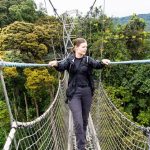
Rwanda is a small and landlocked country boarding east African countries. It is bordered by Tanzania in the east, Uganda in the north, Burundi...
East Africa Safari

Things to Do in East Africa

0
Ballooning Mountain Climbing – Rock Climbing & Mountain Biking. this is done in Mr. Rwenzori national park in Uganda, Mount Kilimanjaro national park...
Lake Bunyonyi

Holiday at Lake Bunyonyi in Uganda

0
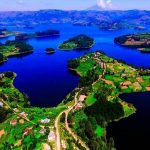
Lake Bunyonyi is one of the most scenic places in Uganda famous to travelers who take a circuit to the attractions in the western...